Call for National Campaign to Tackle Dementia Awareness Gap
A leading UK charity has urged the Government to introduce a nationwide campaign to improve public understanding of brain health and reduce the risk of dementia, warning that too many people are missing vital information.
Alzheimer’s Research UK has highlighted significant gaps in awareness, despite growing evidence that lifestyle factors can influence dementia risk. While research into a cure continues, the charity stresses that everyday actions—such as staying physically active, eating a balanced diet and managing cardiovascular health—can play an important role in protecting the brain.
However, findings from its latest report, Closing the Dementia Awareness Gap, suggest that this message is not reaching the public effectively.
The report draws on a national survey of more than 5,000 people, alongside focus groups, and reveals that only 39% of adults believe it is possible to reduce their risk of dementia. Just 30% said they had seen or heard information explaining how to do so.
Many respondents reported knowing little or nothing about preventative measures, with perceptions of dementia often shaped by fear and the belief that it is an unavoidable part of ageing.
The charity argues that this lack of awareness represents a missed opportunity for prevention and early intervention.
Survey findings indicate strong public backing for government action, with most respondents expressing a desire for clear, practical guidance on maintaining brain health. The NHS was consistently identified as the most trusted source of such information.
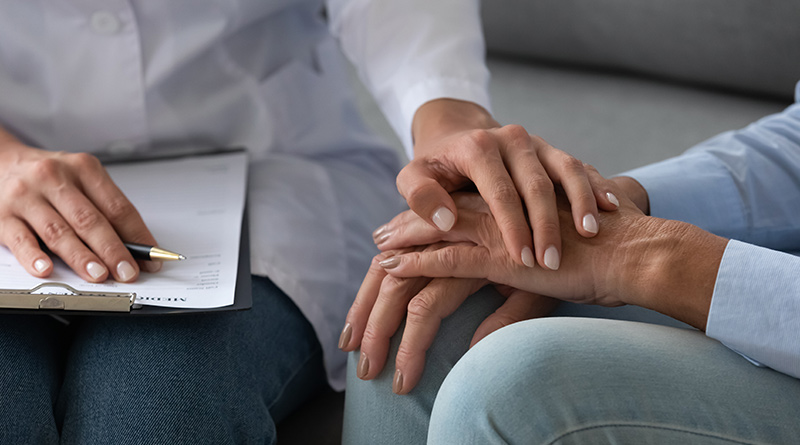
Nearly two-thirds (60%) of those surveyed said they would welcome advice on reducing dementia risk as part of their NHS Health Check. Despite this, only 2% of people who had attended a Health Check recalled dementia being discussed.
More than four in five respondents said they trust NHS professionals and GPs above all other sources, particularly among those aged 45 to 64—a key group for preventative action.
According to the report, an effective national campaign should focus on clear, positive messaging that emphasises practical, everyday steps people can take. Respondents said they preferred simple, easy-to-understand advice, presented in formats such as checklists and reinforced regularly.
To maximise reach, the campaign should utilise multiple channels, including GP surgeries, NHS Health Checks, television, social media, and community settings. Different approaches may be needed for different age groups, with younger adults more likely to engage online, while older audiences favour traditional media such as television.
The charity also recommends that any campaign be integrated into broader public health strategies, rather than delivered as a standalone initiative, and that its impact be regularly monitored to ensure effectiveness and equity.
Alzheimer’s Research UK is calling on the Government to lead a coordinated, NHS-backed campaign to address what it describes as a “dementia awareness gap”. It argues that improving access to reliable information could empower individuals to take preventative action and help shift public perception away from the idea that dementia is inevitable.
The organisation maintains that, with the right approach, greater awareness could play a key role in reducing future dementia cases and supporting long-term public health.