
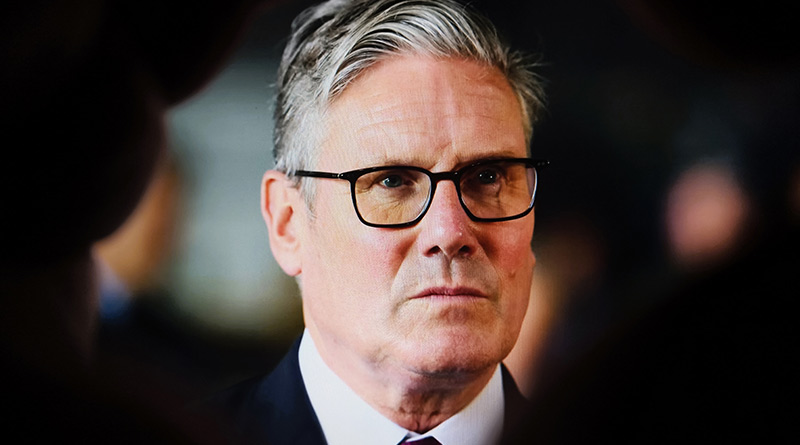
Starmer Resigns: What Could a Change of Leadership Mean for Health and Social Care?
Keir Starmer has announced his resignation as Prime Minister, making him the sixth occupant of 10 Downing Street to leave office in just a decade. The news, confirmed on Monday morning, sets Britain on course for another period of political uncertainty at a time when the social care sector continues to face significant pressures.
In his resignation statement, Starmer said he had spoken to the King to inform him of his decision and confirmed he will remain in post until a successor is chosen. He outlined a timetable under which nominations to replace him will open on 9 July, with a new leader expected to be in place before Parliament returns in September.
The resignation comes just two years after Labour swept into government with a landslide majority — a tenure marked by policy reversals, economic stagnation and growing unrest within his own party.
Greater Manchester Mayor Andy Burnham is widely expected to succeed Starmer, having won the Makerfield by-election on 18 June to secure his return to Parliament.
Nominations for the Labour leadership will open on 9 July, with a new Prime Minister in place before Parliament returns in September. Should Burnham demonstrate overwhelming support within the parliamentary party, a formal contest may be avoided entirely, allowing for a swift transition.
Former Health Secretary Wes Streeting and ex-Deputy Prime Minister Angela Rayner are among those likely to weigh up whether to mount a challenge, though neither is considered as strongly placed as Burnham at this stage.
Any change of leadership brings with it uncertainty for the social care sector, which has been waiting for meaningful reform and sustainable funding commitments. Whoever succeeds Starmer will inherit a challenging economic environment, including persistent low growth and high borrowing costs — factors that have repeatedly been cited as obstacles to increased public spending on care services.
The sector will be watching closely to see whether leadership candidates put forward concrete proposals on workforce, funding and the integration of health and social care — issues that have been largely overshadowed by the political turbulence of recent months. Whoever takes the helm, the new Prime Minister will inherit a health and care system under considerable strain, with providers, commissioners and frontline workers watching closely to see whether a change of leadership translates into a meaningful shift in policy direction.
The Carer will continue to report on developments as the Labour leadership race unfolds and their potential impact on social care policy.