

Sector Gives Cautious Welcome to Prime Ministers Speech on Social Care
The care sector has today given a cautious welcome to Prime Minister Andy Burnham’s landmark speech on adult social care, in which he vowed to fix England’s “broken” system and pledged that his government would succeed where “successive administrations have ducked the issue for too long.”
Speaking at a London care home this morning (July 29), Mr Burnham confirmed an accelerated timetable for the National Care Service commission and confirmed cross-party talks with opposition leaders, as sector organisations and care providers shared their reactions with THE CARER.
 Chair of the Health and Social Care Committee, Layla Moran MP, commented:
“The Health and Social Care Committee has long agreed that government needs to get a grip on social care, and that the economic and human toll of not acting have been perennially overlooked.
“Getting this right speaks to what kind of society we want to be and I’m glad this Prime Minister is putting his political heft behind it.
“We are pleased that, as my cross-party colleagues recently recommended, the report from Casey’s Commission will be brought forward. This will ensure the ‘big conversation’ with the public on how to solve social care can happen earlier, before general election campaigning is likely to get underway. That will be essential to taking the politics and heat out of this issue and breaking the political impasse which has stood in the way on 22 previous attempts to find a solution.
“We do not yet have the detail of what will come, but we believe it will be essential for local government to be recognised as an equal partner to the NHS in a future national care service. It was welcome to hear emphasis on preventative care in the Prime Minister’s speech. Keeping older people active will support their quality of life and reduce avoidable injuries that lead to long hospital stays.
“We await the outcomes of Baroness Casey’s review. There’s so much in play and so much at stake. We look forward to working with the Prime Minister, the Secretary of State and all political parties to get this done. This time, it needs to be different.”
 Chair of the Social Care Foundation, former Deputy Prime Minister Damian Green, said:
“The Prime Minister’s personal commitment is very welcome, but the hard work starts here. Not just to establish any political consensus but to develop a practical policy that moves beyond the debate about funding. A National Care Service needs a single assessment system so people can know what care they are entitled to receive, consistent national funding, a better-paid and trained workforce and above all parity with the NHS in shaping local services.”
 Nuffield Trust Deputy Director of Policy, Natasha Curry said:
“The Prime Minister is absolutely right to try to call the country and political parties together in a conversation about social care. This is everyone’s business, whether it touches you, your family, or the people you live around, and the current state of affairs is completely unacceptable. Burnham’s predecessors shirked this issue again and again, so if he can follow through, his ambitions represent a marked change from what we’ve seen before.
“From the beginning of Baroness Casey’s review of the social care system, we have wanted things to move faster. Burnham is right to speed up the Commission, but expediting Casey’s ‘big conversation’ about what makes a good care system too much could risk leap-frogging a really crucial stage. Getting the public onside through an honest conversation about the difficult choices ahead, and reducing the inherent political jeopardy around reform, will be essential if plans are to survive beyond the next election.
“Burnham has made a good call by not moving onto questions of tax and funding yet. We need to settle what we as a society want social care to do before deciding the fairest way to fund it.
“Other countries show us that change is possible and we are decades behind them already. For example, Germany and Japan’s care systems both underwent major reform because their governments gained public backing. Through a process of negotiation, they developed a system which could address issues like poor care quality and access, and too much responsibility falling to unpaid carers, making social care reform a vote winner.
“The social care system is struggling to recruit the staff it needs and relies heavily on workers from overseas. Burnham’s ambitions to improve career progression routes for care workers could help. But if this includes creating routes into NHS jobs without making social care a workplace that’s as attractive as the NHS, the government risks the care system simply losing experienced workers to the health service.
“The true test of Burnham’s promises will come in a year from now when the Casey Commission wraps up and we will see whether he can actually deliver a care system that works for everyone.”
 Sarah Woolnough, Chief Executive of The King’s Fund, said:
“Bringing forward the final report of the Casey Commission by a year is a welcome sign that the Prime Minister wants to move at pace to fix one of the most intractable issues of our time. Our research shows public awareness and understanding of social care is low amongst the public – one in three believe, wrongly, that social care services are generally free at the point of need. To deliver reforms, it is right that the government is making a serious attempt to listen to both working-age adults, who make up almost half of the £23.5 billion spent on long term care by local authorities last year, and older people who rely on social care.
“Public engagement is only half the equation. The Prime Minister has recognised this in reaching across the political divide to create a shared vision of what type of adult social care system we need in England. It will take politicians of all stripes working in good faith to reach a settlement – and the public should expect no less.
“The announced intention to put forward wider reforms to the social care workforce is a big deal. Our previous work found only 8% of the social care workforce is aged 18-24. Improving pay across the sector and providing career paths for younger people would go a long way to addressing the stubbornly high vacancies, although the cost will likely be significant.
“Anyone who has followed social care reform will recognise a Groundhog Day pattern. A decades-long failure to act with attempts to fix the system now resting in Westminster’s graveyard of good intentions. The result is countless people suffering every day without the level of support they need as they move through the system – all while seeing their savings whittled away, with one in seven people aged 65 now expected to pay over £100,000 in lifetime care costs.
“This is the moment to seize the opportunity and show what social care can do to improve people’s lives, whilst also relieving the burden of this broken system on the NHS. At its core, a functioning social care system would give people the dignity they should expect when they are at their most vulnerable, giving people independence to live their lives to the full.
“This is the argument for reform that the Prime Minister must first make and win. By doing this first, he can generate the public buy-in needed to drive through the potentially politically difficult choices needed later to bring an improved system to life. It is an argument we wish him every success in making.”
 Hugh Alderwick, Director of Policy and Research at the Health Foundation, said:
“Bringing forward the deadline for Casey’s review is a welcome and much needed decision. The previous 2028 deadline was always a problem because it risked the commission’s recommendations coming dangerously close to the next general election or simply being kicked into the long grass. As Andy Burnham knows too well, previous plans for social care reform have often come undone close to or during election campaigns.
“The focus on the social care workforce is also welcome. Around 1 in 20 of all workers in England work in social care. Care workers – who are mostly women – have poor pay and conditions and around 20% live in poverty. 77% of the public agree care workers are paid too little. Existing government plans for fair pay agreements are an important part of addressing these challenges. But success relies on funding and incentives, including for providers to comply with new rules and staff to stay and progress in the sector. Current government funding of £500m for the first fair pay agreement equates to only roughly 20p extra an hour per worker, so Burnham is right that further reform to improve training and progression will be needed too. Additional investment will likely be needed too.
“The list of policy problems to be fixed in social care is long: too many people going without the care they need, poor pay and conditions for staff, a high reliance on unpaid carers, some people facing catastrophic care costs, and more. Burnham’s clarity and conviction in naming these problems is critical. But now the question is what the reforms to address them will actually look like. What’s the offer for the population, how will it be funded, and how will it be organised and delivered? None of these questions are simple, and there’s no escaping the fact that a more generous and comprehensive system will require extra government investment.
“The Prime Minister’s leadership will be crucial in demonstrating why this is an investment worth making. The commitment to taking a cross-party approach to reform is the right one.”
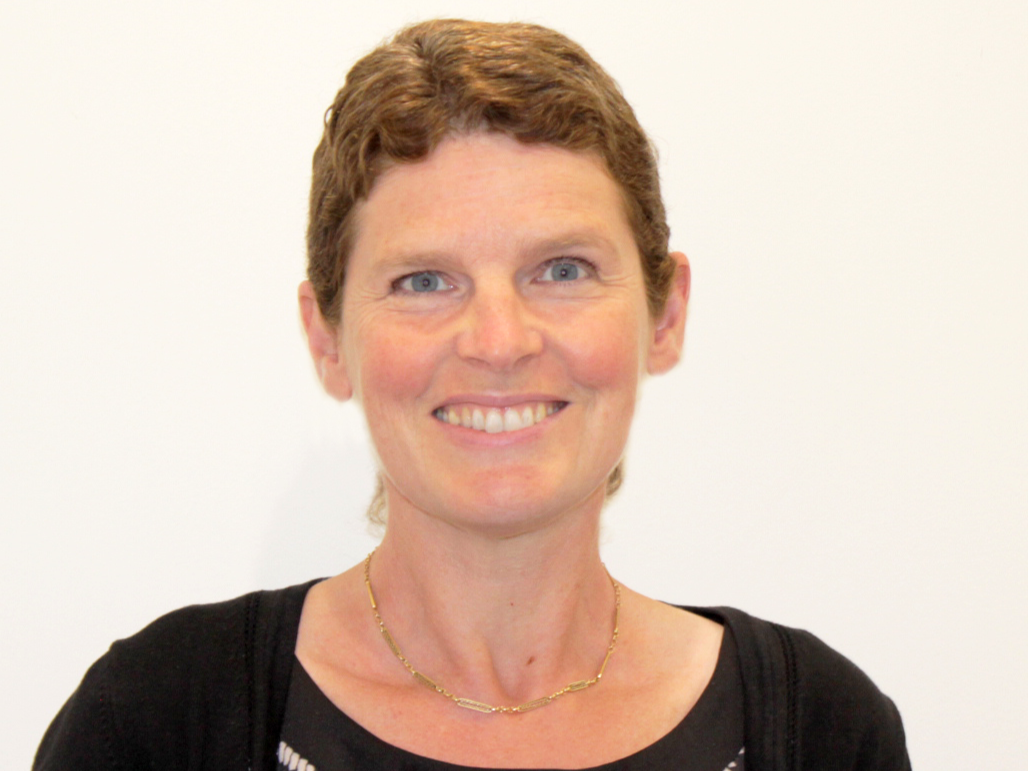 Michelle Dyson CB, CEO of Alzheimer’s Society, said:
“We warmly welcome and support the Prime Minister’s commitment to tackling social care. As the Prime Minister knows from his own experience, people living with dementia need good quality care as early as possible, but too often families are left to navigate a fragmented system, bearing huge emotional, practical and financial pressures. We welcome too the ‘big conversation’ about care – it is critical that reforms have people’s experiences and insights at their very heart.
“Dementia is one of the biggest drivers of demand on the care system. Yet, as Baroness Casey points out, we do not treat dementia with anything like the priority we give to other conditions such as cancer and heart disease. Getting social care right depends heavily on getting dementia care right, making the most of the new opportunities afforded by scientific breakthroughs, which mean we can intervene earlier and keep people well for longer. The public is fully behind us on this – our recent polling shows that four out of five people want dementia to be made a national healthcare priority.
“Urgency is key – so it is great to see that Baroness Casey’s review will be brought forward by a year. We are also pleased to see a commitment to addressing the workforce as a matter of priority, which is a real opportunity to make sure that care workers get the dementia-specific training they need to deliver high-quality care. We look forward to working with our new Prime Minister on reforms that will leave a lasting legacy for people living with dementia now and in the future.”
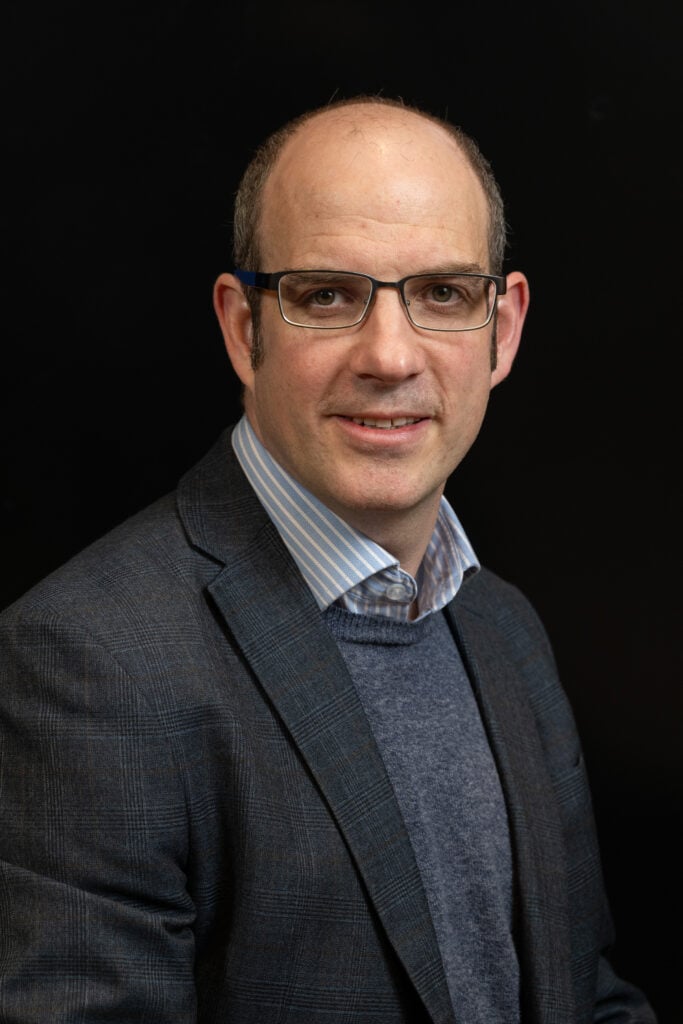 Gerard Crofton-Martin, Interim Chief Executive at SCIE, said:
“We welcome the Prime Minister’s personal commitment to social care reform. Social care is for everybody. Almost all of us will be touched by care at some point in our lives, whether that’s supporting someone we love or receiving care ourselves.
“Yet we know the current system is plagued by inequity; people with similar needs can face very different experiences depending on where they live: from timely, personalised support that enables independence and dignity, to long waiting lists, high eligibility thresholds and unmet basic needs.
“As the government considers the future of adult social care through the Casey Commission and the development of a National Care Service, questions of fairness, consistency and equity are becoming increasingly important. Our new research, published this week on care equity, shows how factors like disability, income, where people live, ethnicity, age and gender all affect the care people get. It also shows how problems in accessing care can build up over time: difficulties faced early on can make it harder to get the right help later.
“The Prime Minister’s recommendation to bring forward the Casey Commission’s final report to 2027 is a welcome step. Critically, the Big Conversation with the public, launched today by Baroness Casey, must include people who draw on care, and their families and carers. Reform can’t be effective if it’s removed from the realities of people with lived experience; it must instead recognise and respect their invaluable expertise and place them at the centre of all conversations and decisions.
“Cross-party support is essential to all of this. We must ensure that progress is not lost to the political tides. Beyond cross-party support, we also need public buy-in. Public understanding and support have been a missing link in previous attempts to reform the care sector; failure to galvanise public support has meant the many previous efforts to reform social care never took hold.
“We now have a chance to build consensus across the public, politicians and the social care sector. Only through this consensus can we build a system that helps people live the lives they want – in homes they love, connected to their communities, with control and dignity.”
 Dr Jane Townson OBE, Chief Executive of the Homecare Association, said:
“We warmly welcome the Prime Minister’s determination to reform social care and to build public understanding and cross-party consensus. Fix care at home and you free up the GP appointment you cannot get and the hospital bed your family may one day need.
“Anyone who has seen a well served self-funder knows what quality care looks like: a trusted local provider chosen by the family, a careworker you know arriving when they said they would, and visits shaped by need rather than a stopwatch. Our ambition is for every citizen to have that opportunity, whoever pays.
“The state’s role then changes from purchaser of minutes to guarantor of the system: it assesses, funds, prices, licenses, rates and holds to account, while the citizen chooses.
“We cannot move to that at scale overnight. The countries that deliver it built the foundations first, and so must we. That is why reforming how care is commissioned now matters so much – and why free personal care, on its own, is not enough. Free at the point of use must be funded at the point of delivery.
“We stand ready to work with the Prime Minister, the government, the Casey Commission and all political parties to build a care system worthy of the people it serves.”

Kirsty McHugh, Chief Executive of Carers Trust, said:
“Almost all of us are either going to care for a loved one or be cared for in turn. But for years we’ve talked about social care as though it’s simply a bill to be paid. Today felt different. The impact of our catastrophic failure to reform social care on individuals and families was centre stage and there was recognition that supporting families is every bit as valuable as treating illness.
“‘The ‘Big Conversation’ now belongs to all of us. Reform will require investment, but it also requires public backing. We need to move beyond seeing social care as a cost to bear and recognise it as one of the smartest investments we can make.
“Our services for unpaid carers around the country see the impacts of a system which doesn’t care. It is in all our interests to create a stronger fairer care system, which not only has the welfare of those receiving care at its heart, but also the needs of the friends and family members who support them.”
 Nadra Ahmed CBE, Executive Co-Chairman of National Care Association, said:
“It was refreshing to hear the Prime Minister’s determination not to let this 23rd attempt to transform social care be derailed. The challenges he will face cannot be underestimated, as we are aware that the current structures of social care are only holding up because of provider investment, the vast majority of whom are SMEs.
“His focus on the workforce is very welcome, as they are the unsung heroes in the care and support of those who access social care. We were particularly encouraged to hear his recognition that vocational skills should be valued as highly as academic achievement.
“That sentiment reflects the reality of social care, where skill, compassion, judgement and professionalism are demonstrated every day by a workforce that has too often been overlooked. This can only be truly achieved if there is sustainable funding to ensure that our workforce is not only valued but also rewarded. A Social Care Workforce Strategy already exists, and this can provide the blueprint for workforce reform, but only if we have the funding to implement it.
“The 82% of providers that are SM Es remain the backbone of every community across our nation, and I am aware that the Prime Minister has shown a real affinity for the local hubs that keep communities functioning. We would appeal to him to also look at the unprecedented cost increases placed upon our sector. SM Es in social care are the heart of our sector, and their survival will be critical to delivering his vision. ”
 Martin Barrett, Managing Director of Nellsar Care Homes, said:
“It is encouraging to see social care receiving the national attention it deserves. A cross-party approach could provide the stability needed to move beyond short-term fixes and create a system that works better for residents, families and those delivering care.
“Any National Care Service must recognise that social care is not simply an extension of the NHS. While the two systems need to work far more closely together, social care is centred on helping people live with dignity, independence and purpose, often over many years and in a place they call home.
“Funding will be central to the success of any reform. Families need greater clarity and reassurance, while providers need a sustainable model that enables them to invest in skilled team members and continue delivering high-quality, person-centred care.
“It is also essential that care providers are involved from the outset. Those working across the sector understand where the pressures sit and what practical changes would make the greatest difference.
“Ultimately, the success of any reform will be measured by whether residents receive better care, families feel more supported and the health and social care systems work together more effectively.”
 Caroline Abrahams, Charity Director at Age UK said:
“The Prime Minister made clear today that he is totally committed to fundamental social care reform and that can only be a good thing for older people. These are exciting times and we look forward to hearing a lot more after the summer break, if not before.”
“It’s right that the Prime Minister has asked Louise Casey to accelerate her independent commission so it reports in a year’s time and we hope the Big Conversation she launched today will help to draw out what the public want to see from social care, as well as thinking through the funding options. We won’t all necessarily have to pay more as individuals for a better system of social care but it’s likely we’ll have to pay differently: at present older people often face big bills when they are in crisis- for example after a fall. It would be much better if we followed the example of many other developed nations & paid in to a big pot in advance or after our deaths, so when we need care it’s there for us, however much or little money we actually have.”
“The Prime Minister covered all the main elements of social care in his speech and said something especially interesting about the social care workforce: namely that he wanted to see a shift towards equal pay with the NHS. This would undoubtedly take time to achieve but would be a game changer in terms of recruitment and staffing – a long-standing problem within social care.”
“We are optimistic about the prospect of positive change and call on politicians in all parties to demonstrate leadership on social care reform, because it’s what older people badly need.”
Amy Little, Head of Advocacy at Leonard Cheshire, said:
“Today’s deeply personal speech by Andy Burnham should mark a turning point in adult social care reform.
“In public debate, social care is so often reduced to questions about paying for care or pressure on the NHS. As a result, the conversation can overlook what social care really is: vital support that helps working-age disabled adults and older people live well.
“Around half of us will need care and support at some point in our lives, and most of us will have loved ones who need it too. Yet too often, people recognise its importance only when they face a crisis.
“The reality is that funding remains nowhere near enough to meet growing demand for care and support across the country.
“We welcome the launch of a national conversation on social care and the Prime Minister’s commitment to act. It must be the start of a serious effort to ensure that people of all ages can access the care and support they need, when they need it.”
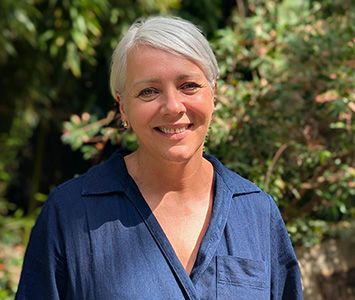 Rachael Dodgson, Chief Executive of Dimensions, said:
“It’s great news that Andy Burnham has chosen to start his premiership by prioritising adult social care reform which has been neglected for so long.
Baroness Louise Casey’s Big Conversation on Care is a key opportunity for the voices of working-age adults with learning disabilities and autistic people to be heard.
“We all recognise the longstanding social care access and funding challenges for older people. But adult social care provides essential support for a much broader population. More than 1 in 3 people who receive publicly funded long-term care are between the ages of 18 to 64. And this number has risen every year for the last four years.
“It was also refreshing to hear the Prime Minister acknowledge the skilled nature of the country’s 1.5 million care and support workers and pledge to improve training and career progression as a priority. The PM mentioned the government’s £500m Fair Pay Agreement, which we welcome. However, the allocated £500m won’t be enough to make a real difference to the pay packets of care and support workers.
“Clearly, national government needs to adequately fund councils so they can afford to pay for the real cost of care and support in adult social care.
“This funding should be ring-fenced at a local authority level so that providers can meet the ever-increasing costs of support. Large disparities persist between local authorities, with the highest-paying councils offering fee rates two to five times more than the lowest.
“For adults with learning disabilities and autistic people, these decisions are not abstract. Underfunded care and support means missed opportunities to live independently, longer stays in hospital, and an ever-increasing level of unmet need.”
 Kehan Zhou, CEO PCS Group said:
“We welcome the Prime Minister’s commitment to a person-centred social care system, and to bringing forward the Casey Review. After years of short-term fixes, a considered, cross-party process is exactly what this sector needs. Change has always been about policy and funding. What’s been missing is evidence of what actually works, day to day, for the people receiving care.
“Social care and healthcare are two sides of the same system – pressure in one always shows up in the other – and connecting that data is what will make reform successful. At PCS, ‘person-centred’ isn’t a phrase to us, it’s how our technology is built: we help carers spot problems like infections or falls before they happen, so people stay well and out of hospital.
“Our role is to support carers and ease pressure on the NHS, using our solutions powered by the largest structured dataset of social care in the UK. We will share what we’re learning with the Big Conversation on Care and the Casey Review.”