Major Expansion of Community Mental Health Support Across England
People struggling with their mental health will get help earlier and closer to home, with 159 new NHS mental health facilities opening across England.
Backed by £343 million, the rollout is the biggest redesign of mental health services in a generation. It includes:
• 100 new community mental health centres, offering walk-in support without a referral and without a months-long wait
• 59 dedicated mental health emergency departments giving people in crisis specialist care in a place designed for them
Demand for mental health services has risen sharply, particularly among children and young people, with around 1 in 5 people experiencing a common mental health condition each year. Too often, people only receive support once they reach crisis point, leaving families without the help they need and placing greater pressure on NHS services.
The new centres will make it far easier for people to get the right help the first time they ask for it, by bringing mental health and specialist teams together under one roof – working alongside GPs, councils, the voluntary sector and families, with direct links into housing and employment support.
The first sites open from autumn this year, with further facilities following from March 2027.
Prime Minister Andy Burnham said: “Nobody should be left to struggle with their mental health alone. But every day, thousands of people are waiting months for help, then finding the only door open to them is a busy A&E.
“These new centres will be a lifeline for so many. They will bring NHS services closer to home, making it easier to get support before problems get worse, and ensuring those in crisis get the right care in the right place.
“On the steps of Downing Street, I said we would build a country that acts sooner when people need help. Today is just the start of making that a reality.
“The announcement comes as the Health and Social Care Secretary visits a community mental health centre in Sheffield, one of 6 already operating in England.”
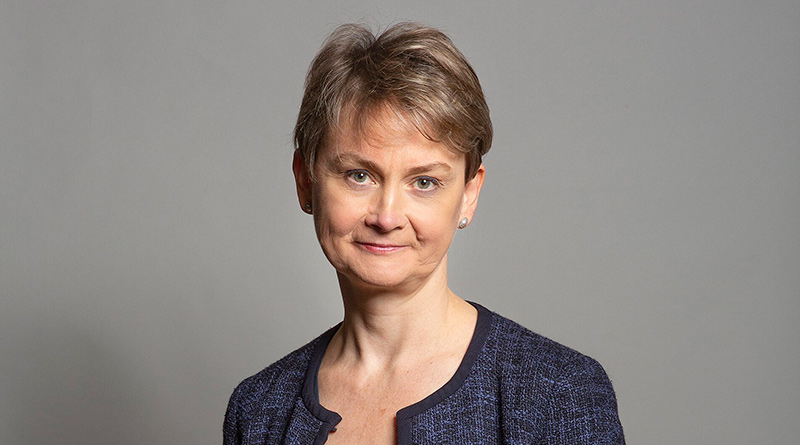
“Health and Social Care Secretary Yvette Cooper said: “Too many people are only getting mental health support when they reach crisis point, after struggling for far too long to get the help they need.”
These new community mental health centres will help people get support earlier and closer to home, making it easier to get the right care before problems escalate. And when someone does need urgent help, new mental health emergency departments will be able to make sure they are seen quickly by specialist teams in the right setting.
This is how we can turn the tide on mental ill health – preventing more people from reaching crisis, cutting waits for care and building an NHS which is there for everyone when they need it.
Some of the community hubs will be newly built facilities, while others will be in libraries, banks and other community or high-street locations to move care closer to where people live, improving access.
They will all be in the heart of the neighbourhoods they serve and designed as welcoming settings with a non-clinical appearance.
Alongside this, 59 new mental health emergency departments will provide fast, same-day specialist support for people experiencing a crisis who are medically fit and do not need treatment in A&E.
Located with emergency departments and working closely with ambulance and police services, they will provide a calm, therapeutic environment where people can be assessed quickly and connected to the right ongoing care, whether that’s inpatient treatment, support at home or community services.
The rollout will more than double the number of dedicated emergency departments in England, taking the total to 82.
This is the first phase of a wider rollout set out in the 10 Year Health Plan, backed by £343 million in mental health facilities.
Dr Nick Broughton, National Priority Programme Director for Mental Health, Learning Disability and Neurodevelopmental Conditions, said: “Across the country, NHS teams are already working to provide mental health support closer to where people live, alongside specialist care for those who need more urgent help.
“The rollout of more community mental health centres and dedicated mental health emergency departments will build on this work, strengthening both early support in the community and care for people in crisis, while helping services work together more effectively around people’s needs.”