
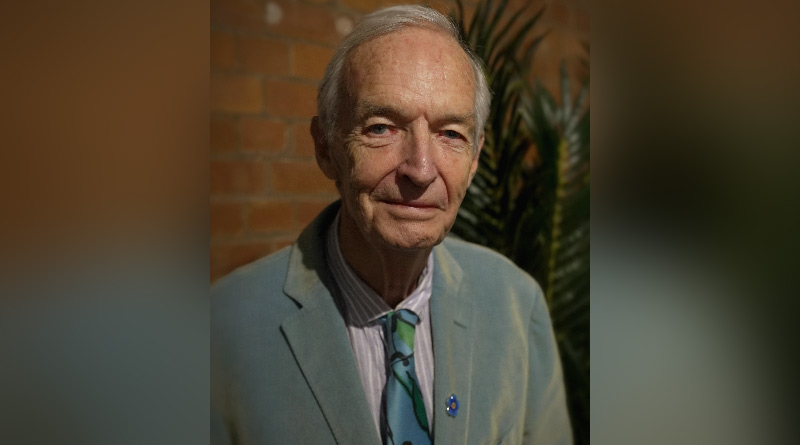
Jon Snow Fronts New Push For Faster Dementia Diagnosis As Care Sector Calls Grow Louder
Broadcaster Jon Snow has put his name to a new campaign calling on the Government to speed up dementia diagnosis times, adding his voice to growing concern within the care sector about long delays facing families.
Snow, who confirmed earlier this year that he was diagnosed with Alzheimer’s disease in 2023, has joined a group of high-profile Alzheimer’s Society ambassadors — including Sir Jonathan Pryce, Dame Meera Syal, Suranne Jones and Vicky McClure — in signing an open letter due to be delivered to Downing Street this week. The letter sets out a series of demands aimed at improving outcomes for people living with dementia and those who care for them.
The campaign is backed by new polling commissioned by the Alzheimer’s Society, which surveyed just over 1,000 unpaid carers of people with dementia across the UK. The findings paint a troubling picture for care providers already grappling with rising dementia caseloads: close to half of respondents (45%) said it took more than six months from first raising concerns with a GP to receiving a diagnosis.
Among the 868 carers whose loved one had gone on to receive a formal diagnosis, the knock-on effects were significant. Nearly half (46%) said the wait had an impact on their working life, more than a third (35%) said it made planning ahead more difficult, and almost one in three said their lives had effectively been put on hold while they waited for answers.
For care homes and domiciliary care providers, such delays often translate into residents and clients arriving into services later than they might otherwise, with less time to benefit from early intervention, care planning or access to appropriate treatment.
At the heart of the campaign is a call for ministers to introduce a new, nationally recognised standard guaranteeing that anyone referred by a GP for suspected dementia receives an accurate diagnosis within 18 weeks — alongside a personalised care plan and access to appropriate treatment. The Alzheimer’s Society points out that comparable diagnostic waiting-time standards already exist for most other major health conditions, and argues there is no reason dementia should be treated any differently.
The letter to Downing Street also urges the Government to commit to reducing dementia deaths, to prepare the health and care system for the rollout of future disease-modifying treatments, to fund high-quality dementia training across the social care workforce, and to guarantee early and accurate diagnosis for all.
The workforce training element is likely to resonate strongly with care home operators and staff, many of whom have long argued that consistent, well-funded dementia training is essential to delivering safe, person-centred care.
Michelle Dyson, chief executive of the Alzheimer’s Society, argued that patients diagnosed with other serious illnesses, such as cancer, would never be expected to navigate the system unsupported — yet she said that is too often exactly what happens to families affected by dementia. She said timely diagnosis opens the door to support, treatment and care, but stressed that people affected by dementia deserve to be “so much better” served by the system than they currently are.
The campaign adds to mounting pressure on the Government to prioritise dementia within wider NHS and social care reform, at a time when the care sector continues to call for clearer diagnostic pathways, better integration between health and social care, and sustained investment in dementia-specific training and support.