
Council Warns of £27m Budget Shortfall as Care Demand Outstrips Funding
A south coast council has revealed it is forecasting a £27 million shortfall in its budget for 2026-27, with rising numbers of children and adults requiring care support identified as the main driver.
The figures emerged in the latest quarterly finance update from Bournemouth, Christchurch and Poole (BCP) Council, which points to growing pressure on adult and children’s social care services as local authorities across the country continue to grapple with squeezed central government funding.
The council said the projected deficit has been compounded by pressures linked to the dedicated schools grant high needs block, an area of funding that supports children with special educational needs. This includes an annual interest charge of roughly £10 million, adding further strain to already stretched budgets.
BCP Council said it was taking a range of steps to try to close the gap, including tighter spending controls, careful management of recruitment, and continued work through its internal continuous improvement and innovation programme. Officers are said to be examining short, medium and long-term savings options as part of the drive to bring finances back into balance.
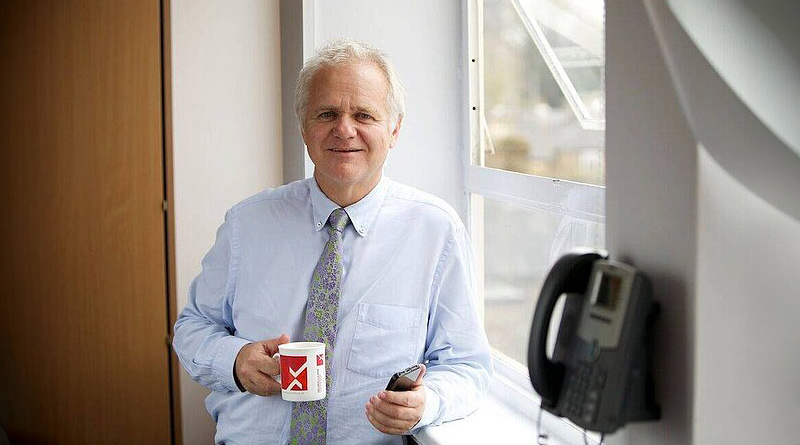
Councillor Mike Cox CBE, the council’s Deputy Leader and Portfolio Holder for Finance, said councils nationally were bearing the brunt of a funding settlement that had failed to keep pace with need. He said funding for essential services, including care for children and adults, was falling behind both demand and the rising cost of delivering it, and called on ministers to address the gap as a matter of urgency.
Cllr Cox pointed out that demand and inflation were both climbing at a time when government funding to BCP Council is set to fall by £15 million in real terms by 2028-29, a trend he described as unsustainable.
While acknowledging government commitments to reform areas such as SEND and adult social care, Cllr Cox argued that councils could not afford to wait for those changes to take effect, warning that residents needed action now to avoid a decline in services. He said the authority had entered this period of pressure from a position of relative strength, thanks to careful financial planning built up over recent years, including controlling spending, boosting income, delivering savings targets and cutting the cost of running services through greater efficiency.
That financial discipline, he added, had allowed the council to build up reserves that were now being drawn on to help meet rising need, though he stressed that reserves were a last resort and could not be relied upon indefinitely.
Cllr Cox described the situation as symptomatic of a wider national crisis rather than a problem unique to BCP, warning that councils across England risked being unable to protect services for the most vulnerable without government intervention. He noted the authority had already identified £14 million in planned savings and efficiencies for 2026-27, but said efficiency measures alone would not be enough to match the pace of rising demand. The council, he said, would continue to press government for urgent action.