
Young People with Complex Needs Let Down as They Transition from Children’s to Adult Services, Experts Find
Young people with complex physical and mental health needs are being let down by services that abruptly alter or withdraw their support as they reach 16 or 18, experts have warned, leaving some of the most vulnerable in the system without the care they depend on at a critical point in their lives.
The findings are published by the Health and Social Care Committee, who commissioned its Independent Expert Panel (IEP) to carry out an evaluation of the transition from child to adult health and social care services.
The IEP’s report found systemic issues in how young people are supported to transition, including:
- poor coordination between local authorities, schools, GPs, hospitals, mental health and housing services, with differences in working practices and a lack of interoperability between systems
- failure to identify children’s needs from Year 9 and plan transitions
- significant gaps in data showing transition planning, the outcomes or the resource put into supporting the transition
- inadequate training and protected time for transition within existing job roles
- poor provision of accessible and appropriate information to young service users and failure to involve them in decisions
- variations in eligibility and support when moving from child to adult services, with some NHS trusts and local services providing care for adults from age 16, some 18 and others from 25.
Youth workers were said to provide invaluable support for those aged 11 to 25 and often held the role of a ‘named worker’, but these posts were frequently funded as pilots or through time-limited funding, despite demonstrating value.
Problems around coordination between services are particularly pronounced for young people with protected characteristics, who experience worse outcomes.
The IEP’s report points towards redesigning systems to remove abrupt switches from children’s to adults’ services based on age. Evidence the IEP received suggested instead basing transitions, pace of change and assumptions about independence, on careful assessment of the individual child’s needs and wishes.
The report also shines a light on poor accountability for transition across local authorities, schools, GPs and integrated care boards.
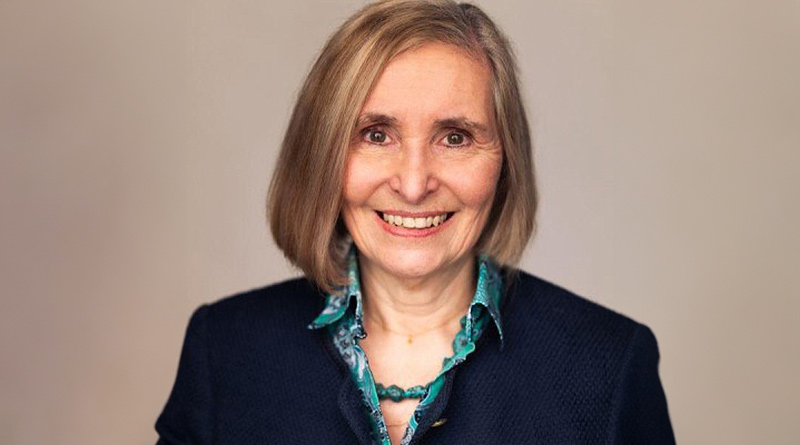
Professor Dame Jane Dacre, Chair of the IEP, said: “The evidence shows that young people who have the most complex physical and mental health needs are routinely let down by poor coordination and planning from the numerous services they rely on.
“There should be straightforward processes to take young people from one set of services to another. Far from it, one young person we interviewed described the support ending at 18 as ‘like falling off a cliff edge’. It was shocking to see how continuity crumbles and vulnerable young people are forced to battle for the support they need.
“The lack of data and trained staff also indicate how overlooked this problem is, how the state’s support lacks someone with a bird’s eye view that can join dots and make them work in young people’s best interests.”