
Why Enjoyable Nutrition Could Play a Bigger Role in Tackling Malnutrition in Care Homes
Malnutrition remains one of the most persistent – and often under-recognised – challenges facing the care sector today.
Despite significant progress in person-centred care and nutritional screening, many older residents continue to struggle with maintaining adequate nutritional intake due to reduced appetite, frailty, dementia, swallowing difficulties, medication side effects and illness-related fatigue.
According to UK nutrition guidance, people living in care homes are at significantly increased risk of malnutrition, with estimates suggesting that between 30–42% of residents admitted to care homes may already be affected or at risk. At the same time, healthcare organisations including Age UK and the Malnutrition Task Force continue to warn that undernutrition among older people remains widely underdiagnosed.
Importantly, malnutrition is no longer being viewed simply as an unavoidable consequence of ageing.
Across both health and social care, there is increasing recognition that early intervention and preventative nutritional support can play a major role in improving outcomes for older adults, helping to maintain strength, reduce frailty and potentially prevent avoidable hospital admissions.
Updated NHS guidance around nutrition in care homes increasingly promotes a “food-first” approach, encouraging providers to focus on fortified meals, nutrient-dense snacks, hydration and personalised eating support as part of everyday care delivery.
However, for many care teams, the challenge is not simply identifying residents who may be nutritionally vulnerable – it is finding solutions residents will consistently consume and enjoy.
Moving Beyond Traditional Supplement Approaches
Oral nutritional supplements continue to play an important role within many care settings, particularly where residents are experiencing clinically significant weight loss or recovering from illness.
Yet in practice, compliance can sometimes become difficult over time. Reduced appetite, taste fatigue, sensory changes and swallowing difficulties can all impact whether residents continue consuming traditional supplement drinks consistently.
As a result, there is growing discussion across the nutrition and care sectors around the role of more enjoyable fortified foods that support intake while feeling less clinical and more familiar to residents.
This conversation has also been influenced by the wider international rise of “Food as Medicine” – an approach increasingly recognising the role nutrition can play in supporting recovery, resilience and wellbeing during illness and later life.
For care homes, this may include:
• fortified desserts and snacks
• protein-enriched meals
• smaller nutrient-dense portions
• hydration-supportive foods
• texture-adapted options
• socially enjoyable dining experiences
The emphasis is increasingly shifting towards nutritional quality alongside resident enjoyment, dignity and quality of life.
Why Familiar Foods Matter
Care professionals understand that nutritional support is rarely one-size-fits-all.
For some residents, particularly those with reduced appetite or illness-related nausea, cold foods can often feel more manageable than hot meals or milkshake-style supplements. Familiar foods may also encourage better engagement with eating among residents who are reluctant to consume more medicalised nutritional products.
This is one reason why fortified desserts and ice cream-based nutritional products are beginning to attract greater interest within healthcare nutrition conversations.
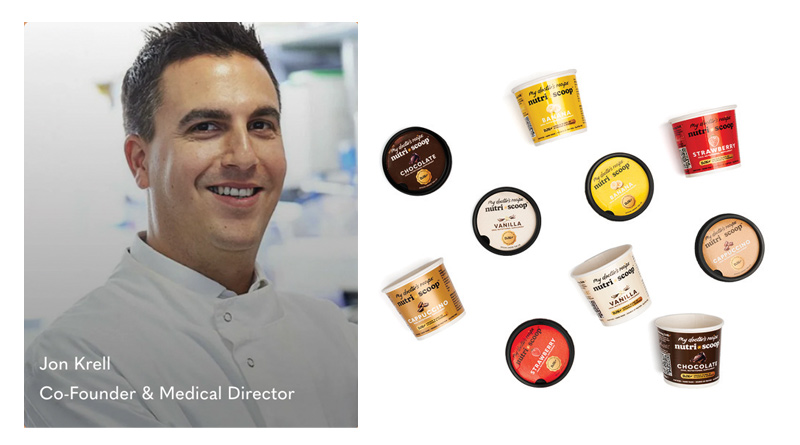
One example is Nutri-Ice®, developed by My Doctor’s Recipe (https://mydoctorsrecipe.com/collections/the-nutri-ice®), a healthcare-focused nutrition company founded by London oncologist Dr Jon Krell.
Originally designed to support patients struggling to maintain nutritional intake during illness and treatment, Nutri-Ice® combines calories, protein and added vitamins in a format intended to feel more like a familiar food experience than a traditional supplement.
Each serving contains over 300 calories and more than 10g of protein, alongside added vitamins and minerals via the company’s DJK+® nutritional blend.
While products such as these are not intended to replace clinical nutritional interventions where required, they may represent part of a broader shift towards more resident-friendly approaches to nutritional care – particularly where maintaining appetite and encouraging consistent intake are ongoing concerns.
Supporting Nutrition Through Dignity and Enjoyment
Nutrition in care settings is about far more than calorie intake alone.
Eating and drinking remain closely connected to comfort, independence, routine and social interaction. As the sector continues to prioritise person-centred care, there is increasing recognition that nutritional strategies should support emotional wellbeing and dignity alongside physical health.
For residents living with dementia, for example, familiar foods and positive mealtime experiences can help reduce anxiety around eating. For frailer residents or those recovering from illness, smaller enjoyable foods may sometimes feel less overwhelming than larger meals.
As NHS and community healthcare systems continue focusing on prevention and reducing avoidable admissions, nutrition is likely to remain high on the care agenda throughout 2026 and beyond.
For many providers, the future may lie not only in identifying malnutrition earlier, but also in rethinking how nutritional support is delivered in ways residents genuinely want to engage with.
Ultimately, improving nutrition in care homes may depend not simply on adding more calories, but on creating nutritional approaches that residents can tolerate, enjoy and sustain over time.