
Prime Minister Must Make Social Care Reform the Legacy of This Government, Says ICG
A leading social care figure has demanded urgent Government action on sector reform, warning that decades of political failure have left the system on the brink.
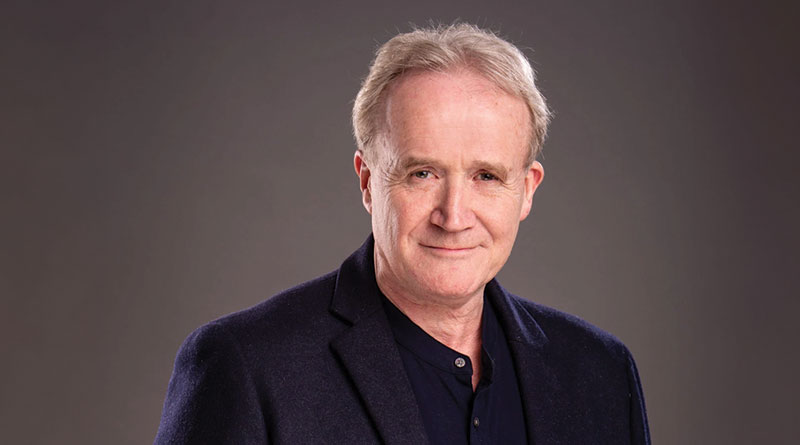
Mike Padgham, Honorary President of the Independent Care Group, was responding to the Prime Minister’s speech on change and reform, urging ministers to seize the moment and make fixing social care the defining legacy of this Parliament — cautioning that the country can no longer afford to wait.
He said: “If the Prime Minister truly wants to deliver lasting change and create a legacy his government can be proud of, then social care reform must be at the very heart of it”.
“For too long, governments of all colours have avoided dealing with the crisis in social care. The problems have been kicked down the road decade after decade whilst older and vulnerable people, unpaid carers and care providers have struggled to cope.”
“This government now has the opportunity to be the one that finally grasps the nettle and delivers the reform the country desperately needs.”
“Social care reform is not just overdue – it is urgent. Every day we delay, more people are left without the support they need, more unpaid carers are pushed to breaking point and more pressure is piled onto the NHS.”
“If ministers are serious about change, they should bring reforms forward much earlier and stop waiting years for action. People need help now, not in another Parliament.”
“Done properly, reform could transform lives, improve dignity and independence for millions of people and give families the quality of life they deserve.”
“It would also give this Labour Government something genuinely historic to be proud of – finally fixing one of the biggest unresolved challenges facing our society.”
Mr Padgham said the scale of the crisis was clear from the growing pressures facing the sector.
England’s social care system continues to struggle with major workforce shortages, with around 130,000 vacancies reported across adult social care services in recent years.
At the same time, millions of unpaid carers are propping up the system. Census figures show around 5 million people in England and Wales provide unpaid care, with many giving the equivalent of full-time support every week.
Research has also shown unpaid carers are significantly more likely to suffer poor physical and mental health because of the pressures they face.
Mr Padgham added: “We cannot continue relying on exhausted families and an overstretched workforce to hold the system together.”
“Social care should be seen as an investment in people, communities and dignity – not as an afterthought”.
“This is the moment for boldness and leadership. The country has waited long enough.”