Dementia Diagnoses in England Reach Record High as NHS Meets Detection Target
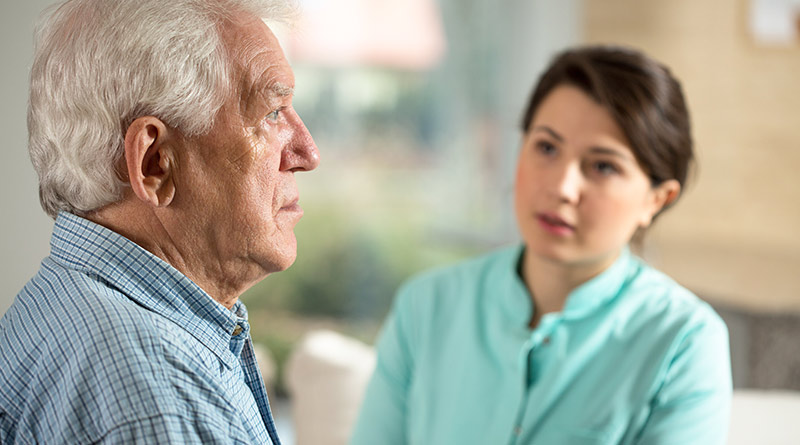
The number of people formally diagnosed with dementia in England has reached a record 523,081, according to the latest figures, an increase of 10,615 from the 512,466 recorded at the end of last year.
The figures also indicate that the NHS has met its longstanding target for the first time since March 2020, with two-thirds of people aged over 65 estimated to be living with dementia having received a formal diagnosis.
The achievement represents progress in identifying people who may otherwise have gone without a confirmed diagnosis and the support that can follow. However, the figures also underline the continuing scale of demand facing health and social care services as the number of people affected by dementia grows.
It is estimated that more than one million people are living with dementia across the UK, although not everyone has received a formal diagnosis.
Early identification can help people and their families understand the condition, plan for future care needs and access appropriate support. Depending on individual circumstances, this may include medication reviews, care planning and interventions designed to help manage symptoms and maintain quality of life.
The increase in recorded diagnoses is thought to reflect a combination of improved recognition and detection, alongside the rising prevalence of dementia. An ageing population is a significant factor, while wider health considerations, including physical inactivity and obesity, are also associated with dementia risk.
For residential and nursing care providers, the figures reinforce the importance of ensuring that people living with dementia receive appropriate, person-centred support as their needs change. Effective care depends not only on identifying the condition but also on access to suitably trained staff, specialist knowledge, meaningful activities and support for families and carers.
The latest figures come as public awareness of dementia and the importance of research, earlier diagnosis and improved care remain prominent issues for the health and social care sector.
Dr Jeremy Isaacs, national clinical director for dementia, NHS England, said: ‘It is fantastic news that the NHS has hit its target for diagnosing more than two-thirds of people with dementia for the first time since before the Covid-19 pandemic – and 50,000 more people than the last time this target was hit.
‘Getting a dementia diagnosis is the first step in ensuring the NHS can offer help whether it be a care plan or medication review.
‘As the number of people with dementia continues to rise, it’s vital that we look at how we can provide a fitting and sustainable way to deliver long-term care for people with this devasting disease who are sometimes overlooked, which is why we are working with government to develop a national vision for dementia care.’
Michelle Dyson CB, Chief Executive of Alzheimer’s Society, said: “It is positive that the dementia diagnosis rate has been met – the first time since before the Covid-19 pandemic. Alzheimer’s Society has campaigned for years for more people to get access to an early and accurate diagnosis. However, a target of two thirds is too modest, and we must demand better for dementia, the UK’s biggest killer.
“Too many people spend months on end waiting for answers, unable to access the support, advice and care that a diagnosis can unlock. With new treatments emerging that are most effective in the early stages of disease, the consequences of delayed diagnosis are becoming even more significant.
“More breakthroughs are around the corner so simply maintaining the status quo is not enough. We need a more ambitious goal. The UK government must introduce a maximum 18 week wait for a dementia diagnosis, including starting a care plan and treatment, and invest in the people and services needed to deliver on this goal. Without decisive action, those affected will continue to face delays in getting the lifechanging support and treatment they desperately need.”