
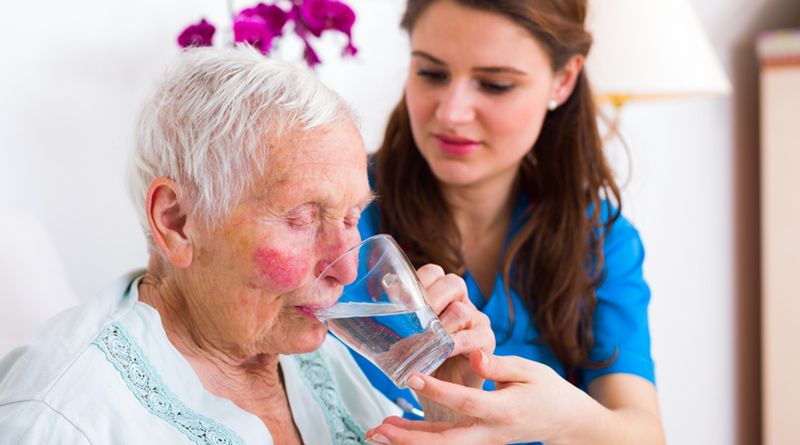
Older People More at Risk to Extreme Temperature Changes Report Reveals
Extremes of hot and cold weather were associated with an estimated 180,000 deaths in England and Wales between 1988 and 2025, according to newly published data analysed by the Centre for Ageing Better.
Around 139,000 of the deaths were linked to the coldest weather and around 40,000 to the hottest, but the proportion associated with heat is rising.
The figures confirm that people aged 65 and over are the most vulnerable to both extremes, reflecting the decline in the body’s ability to regulate temperature with age. Caitlin Rollison, the charity’s External Affairs Manager for Ageism and Inequality, said that vulnerability does not make such deaths inevitable.
Housing and care settings
Centre for Ageing Better research from 2024 found that 4.5 million people aged 50 and over in England who have a health condition aggravated by the cold are living in a home with one or more serious problems. Within that group, Black people, people from minoritised ethnic groups and people with a disability are more likely to be at risk.
Heat is a growing concern as heatwaves become more frequent and severe with climate change. The Climate Change Committee has already called for air conditioning to be installed in hospitals and care homes within the next ten years, a recommendation of direct relevance to the care sector.
Gaps in the data
The charity highlighted that the latest release provides no age breakdown within the 65+ group. Previous data suggests people aged 80 and over may be more vulnerable than those in their 60s and 70s, but the new figures do not allow this to be tested.
It also noted that earlier global modelling of the impact of extreme heat applied heat limits for healthy young adults to all age groups, overlooking the greater vulnerability of older people. Ms Rollison said this reflected a failure to understand older people’s lives and risk, and warned that it could hinder policymakers’ ability to design effective policies for different age groups.
Inequality and risk
Earlier research indicates that risk is not evenly spread among older people. Health conditions, housing quality, neighbourhood environment and deprivation all influence exposure and the ability to adapt.
A study in the British Medical Journal found that people of Black or Asian ethnicity faced substantially higher heat risk than White people, and that those living in the two most deprived deciles of the Index of Multiple Deprivation had the highest risk of heat-related death. Separate analysis by Carbon Brief found that English neighbourhoods with the highest proportions of residents from minoritised ethnic backgrounds are 15 times more likely to face extreme heat than the least diverse areas.
The charity said this reflects wider socioeconomic factors and systemic inequalities, including the greater likelihood that people from these backgrounds live in deprived areas.
Ageing and climate policy
The charity argued that the UK’s ageing population and the intensifying climate crisis present similar policy challenges, being long-standing developments that require a consistent, coordinated government response. Policies on housing and health will need to account for a changing climate, while climate adaptation programmes must take older people’s needs into account. Local case studies suggest older people may be less likely to use retrofit measures designed to keep homes cooler, and less likely to respond to flood warnings.
The Centre for Ageing Better proposes a Commissioner for Older People and Ageing, who would act as an independent champion across government departments and work directly with marginalised and vulnerable groups.
More extreme weather ahead
The new data does not cover this summer’s heatwaves. UK Health Security Agency estimates suggest nearly 3,000 people died in May and June alone, almost double the total for the whole of summer 2025. The charity warned that next year’s expected “supersize” El Niño will almost certainly bring further extreme weather.
Ms Rollison said planning for an ageing population in an increasingly extreme climate is becoming ever more urgent, and called on the government to put ageing at the top of the political agenda.