
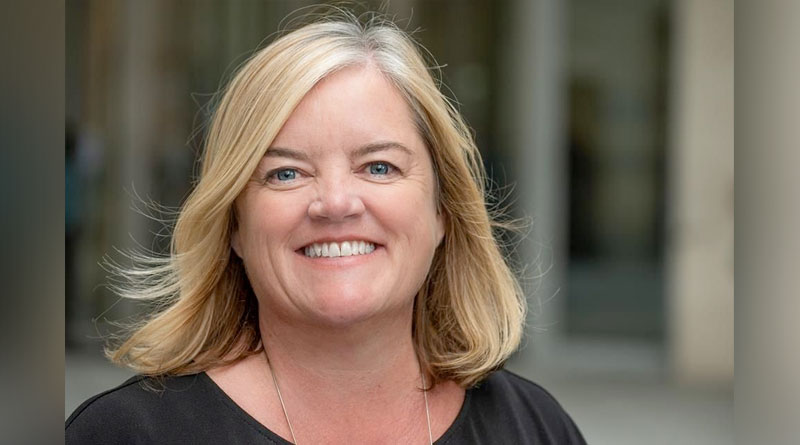
Unpaid Carers Are Bearing “Unsustainable” Burden Of Social Care Crisis Baroness Casey Warns
Millions of unpaid carers across the UK are being left under intolerable pressure as they prop up an increasingly fragmented adult social care system, according to Baroness Louise Casey, who says the current model is no longer fit for modern society.
Speaking at a conference hosted by Carers UK in London, Lady Casey described a care system that continues to rely heavily on unpaid family carers — most of them women — to fill widening gaps in support provision.
Lady Casey, who is leading the Government’s independent review into adult social care reform, said carers were often expected to shoulder “risk, stress and responsibility” with little clarity or reassurance about the help available to them.
She warned that the system remained overly dependent on unpaid carers and low-paid care workers reaching crisis point before meaningful support was offered.
“The reality for many carers is exhausting and emotionally draining,” she said, adding that too many people were being left to navigate a complex network of health and social care services with little guidance.
The peer criticised what she described as an outdated approach to care provision, arguing that systems designed decades ago had failed to evolve in line with the needs of modern families, longer life expectancy and rising levels of chronic illness.
Lady Casey was appointed by the Government in January 2025 to head a two-stage commission examining the future of adult social care in England, part of Labour’s wider commitment to establish a National Care Service. The commission’s first findings are expected later this year.
She has previously cautioned that adult social care faces a “moment of reckoning” as demand rises sharply due to an ageing population and increasing numbers of people living with long-term conditions, including dementia.
During her address, Lady Casey highlighted the emotional and practical strain placed on families who often struggle to understand what support exists, who is responsible for providing it and how care is funded.
She cited examples of elderly parents continuing to provide intensive physical care for adult children because they fear asking for outside assistance could make their circumstances worse rather than better.
According to Lady Casey, many carers report spending more time dealing with bureaucracy and attempting to coordinate services than they do focusing on the wellbeing of the person they support.
She said unpaid carers frequently felt like “project managers”, forced to navigate inconsistent rules, differing local interpretations and a system that often transfers responsibility onto families rather than resolving problems itself.
Helen Walker, Chief Executive at Carers UK, said: “Social care is a defining challenge of our time, with profound consequences for millions of lives. Rising demand, combined with stretched resources, is placing ever-greater pressure on unpaid carers, many of whom are providing increasing levels of care, often at significant cost to their own health and wellbeing.
“Baroness Casey is right to highlight the heavy strain on carers navigating the health and social care system. While many people are willing and committed to caring for family and friends, too often, they are not properly supported to do so. Carers frequently attribute their poor mental or physical health to a lack of support from services, rather than the caring role itself, with administrative demands being a major issue – 38% of carers say claiming financial benefits, as well as arranging and manging paid care is the main reason they feel overwhelmed.
“Our Tipping Point report shows that access to affordable, good-quality social care is crucial in enabling unpaid carers to remain in employment or avoid reducing their hours. Without it, many are forced to scale back work or leave jobs altogether to meet caring responsibilities. This affects their financial security and future circumstances.
“We welcome Baroness Casey’s strong focus on this pressing issue and are encouraged by the clear and supportive speech she has delivered. We are honoured that she chose our State of Caring Conference to share this message on unpaid care. We would also like to thank Kate Dearden MP, Minister for Employment Rights and Consumer Protection, for taking the time to visit today.”