
Finger-Prick Blood Test Could Transform Early Alzheimer’s Diagnosis
A groundbreaking international study is investigating whether a simple finger-prick blood test could revolutionise the early detection of Alzheimer’s disease, potentially offering care providers a faster and more accessible diagnostic pathway.
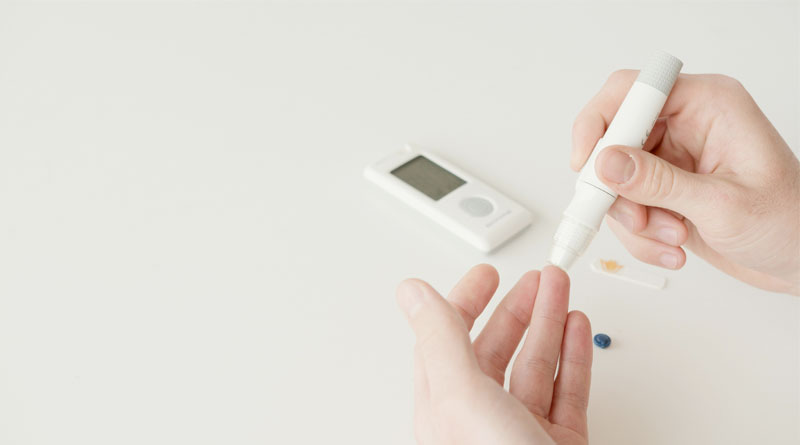
An international research initiative involving 1,000 participants across the UK, USA and Canada is exploring whether a low-cost finger-prick blood test could help diagnose Alzheimer’s disease in its earliest stages, before symptoms become apparent.
The Bio-Hermes-002 study represents a significant step forward in addressing the diagnostic challenges that have long plagued dementia care services across the UK.
Despite dementia being the UK’s leading cause of death, one in three people living with the condition remain without a formal diagnosis. Overstretched dementia services continue to struggle with growing demand, creating what experts describe as a postcode lottery in access to diagnosis.
Recent research has revealed that approximately 22 per cent of people with dementia wait more than a year for a diagnosis after their initial GP consultation. Currently, Alzheimer’s disease diagnosis typically relies on memory and cognitive assessments alongside symptom evaluation.
The most accurate diagnostic methods, including expensive brain scans and invasive lumbar punctures, are usually conducted in hospital settings. However, many dementia care teams lack the resources to offer these tests to patients.
The finger-prick test being evaluated detects three key proteins commonly found in the brains of people with Alzheimer’s disease: pTau217, GFAP and NfL. Researchers will compare results from the finger-prick test against current gold standard diagnostic methods.
Should the study prove successful, this approach could enable widespread screening for Alzheimer’s disease, facilitating earlier intervention than current diagnostic pathways allow. The technology is similar to the newborn heel prick blood test already used by the NHS to screen for rare but serious conditions.
The test offers several practical advantages for care settings. Blood samples do not require refrigeration, unlike conventional blood tests, and the overall cost is significantly lower than existing diagnostic methods.
The study aims to recruit 1,000 volunteers, including individuals showing no symptoms, those with mild cognitive impairment and people with early Alzheimer’s disease. Crucially, at least 25 per cent of participants will come from under-represented communities.
This focus on diversity addresses long-standing gaps in dementia research. People from non-white backgrounds remain significantly under-represented in clinical studies, despite some ethnic groups being twice as likely to develop Alzheimer’s disease.
The study, led by LifeArc and the Global Alzheimer’s Platform Foundation with support from the UK Dementia Research Institute, is expected to complete in 2028.
Dr Susan Kohlhaas, Executive Director of Research and Partnerships at Alzheimer’s Research UK, explained the significance of early detection: “We know changes to the brain that are associated with Alzheimer’s disease can begin up to 15 years before memory problems are detected, creating a long window where the disease is present but unseen.”
She added that as dementia research moves towards earlier detection and diagnosis, identifying people at higher risk becomes increasingly important, allowing them to access further assessment and participate in research opportunities.
Early and accurate diagnosis provides residents and their families with answers whilst unlocking access to appropriate support and care services. For care home providers, earlier diagnosis could enable more effective care planning and intervention strategies.
The Bio-Hermes-002 study forms part of wider efforts to transform dementia diagnosis in the UK. Alzheimer’s Research UK is also supporting the Blood Biomarker Challenge, a multi-million-pound programme aiming to introduce blood tests into the NHS by 2029.
With clinical trials increasingly focusing on the earliest stages of disease and prevention, scalable screening approaches could play a vital role in making early intervention accessible to more people living with dementia across the UK.