Community Care Needs Digital Transformation On Its Own Terms
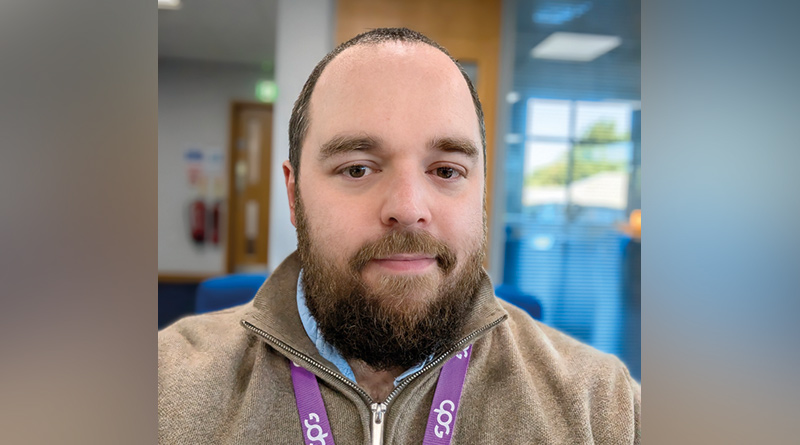
By Kris Weavill, Head of Digital, Care Plus Group (https://careplusgroup.org)
As is probably true for many community and social care providers, Care Plus Group’s use of digital has evolved over time and advanced organically, in pockets of the organisation. There was plenty of enthusiasm for technology-enabled change, but teams had limited visibility of the different projects already under way and we had no dedicated digital programme management office. It’s why we decided to make 2026 our Year of Digital.
With around 800 staff supporting around 200,000 people across North East Lincolnshire, we needed a clearer way to prioritise digital work, understand where investment was going and make sure projects were solving the right problems.
Over the year we have built a digital team, strengthened governance, refreshed our strategy and created a clearer view of what we are doing and why, while securing more than £1 million in non-recurrent external funding for patient engagement, workforce development, cyber security and infrastructure. The aim throughout has been practical: to make care simpler, more joined up and less frustrating for the people delivering and receiving it.
That work feels particularly relevant now, with the government driving forward with its strategic shifts from hospital to community and analogue to digital. The 2026 Neighbourhood Health Framework goes further, championing health and care as a joint endeavour between the NHS, local authorities and wider partners, while Andy Burnham’s recent commitment to laying the ground for a National Care Service has put further focus on the future of social care.
Together, these developments create an opportunity to think properly about the role community providers will play in delivering more joined-up care in neighbourhoods, and the digital infrastructure they need to do it.
Care crosses boundaries
You can see the challenge in the way community care is delivered day to day. Our teams work across primary care centres, social care, hospitals, community sites, hospices and people’s homes. They need the full picture wherever they are, yet many systems are still designed around an individual organisation.
Shared care records help, but they are only as good as the data going into them. At the moment, some of our teams are entering the same information two or three times across different platforms to keep acute, community and primary care colleagues updated.
We also use an acute provider’s electronic patient record, and a recent major change to that system caused real stress for our frontline urgent care teams because we had not been involved as early as we could have been.
These are good examples of why digital change cannot start and stop at an organisational boundary, given that the care pathway expands beyond these geographies.
Transformation needs to start with the whole pathway. Staff need more than access to information: they need to coordinate tasks, see referral status and work from shared plans across organisations. Interoperability should reduce duplication and patient risk, not simply create another portal to check.
The question I keep coming back to is simple: what does the person and the multidisciplinary team supporting them need to achieve? Only then should we start talking about products and platforms.
And this way of working isn’t new. Health and social care have worked across organisational boundaries for years, including through pooled commissioning and multidisciplinary services.
We know neighbourhood working can operate in practice rather than simply as a future organisational diagram, so digital should follow that model and help teams work around the person rather than recreate health and social care boundaries electronically.
Small changes, big enablers
Getting there does not always mean starting with the latest technology. There is plenty of excitement around AI, but there is little point investing in the latest tool if a community nurse cannot get their laptop connected to Wi-Fi or 5G. Connectivity, devices, licences and identity and access management are not glamorous, but they are big enablers.
The same applies to leadership and governance. Smaller organisations may not have large digital programme teams, but somebody still needs the authority to prioritise, stop or sequence work. Even a simple SharePoint list or spreadsheet showing what is proposed, active or at risk is better than having no overall view.
Frontline involvement matters just as much. A system can be technically sound and still fail if staff cannot see how it helps the people they support. Small workflow problems become much larger when repeated across hundreds of home visits, clinics and shifts. Staff are far more likely to engage with change when technology removes friction from their day, rather than adding another mandatory process and a 100-slide training deck.
Fund the pathway, not the badge
Those local foundations matter, but community providers also need the wider funding system to work for them. Community providers come in many forms, including NHS organisations, social enterprises, community interest companies and social benefit societies, which can make national digital funding difficult to navigate.
For example, we’ve discovered some opportunities only after the deadline has passed, while smaller providers often need funding confirmed before they can start work. If neighbourhood health is the end goal, investment should follow the care pathway and the outcomes being delivered, rather than being determined by whether the provider is an NHS trust, social enterprise, community interest company or social benefit society.
That means multi-year funding where possible and investment in implementation, integration and change, not just the product itself. Success also needs to be measured across a person’s whole journey, including whether they can maintain or regain their independence, their wellbeing and continuity of care, and whether unnecessary duplication of information and work across services has been reduced.
The community sector doesn’t need acute digital transformation copied, pasted and reduced in size; it needs digital infrastructure designed around how care is delivered across neighbourhoods.
Our Year of Digital has taught us that the basics, the relationships and the operating model must come first, with technology built around them rather than the other way round.
Kris Weavill will share Care Plus Group’s Year of Digital at Digital Health Rewired, taking place 16–17 March 2027 at the NEC Birmingham. His session will explore the practical lessons community and social care providers can take from CPG’s experience.