
Autumn Budget Must Back England’s Counties as Social Care Spend Increases
County and rural councils are facing a £7 billion-a-year increase in service costs by 2028/9 unless the Government takes action in next month’s Autumn Budget, with rising adult social care spending among the main drivers of the growing financial pressure.
The warning comes from the County Councils Network (CCN), which says increasing numbers of people requiring adult social care, alongside rising costs of care provision, are placing significant pressure on local authority budgets.
Adult social care, children’s services and special educational needs (SEND) home-to-school transport together account for the bulk of the £7 billion in additional costs expected to face county and rural unitary councils between 2025/26 and 2028/29.
Those authorities are on course to be spending 37.1bn in total on all local services in 2028/29 up from £30bn this year. However, council leaders warn this could be the ‘tip of the iceberg’ if inflation ratchets upwards in the coming years, as predicted.
Consequently, the CCN is calling for action to protect its members from having to reduce services, apply for Exceptional Financial Support or even declare insolvency. This should include additional funds for local authorities to address the rising costs of services, as well as a recognition of the higher costs of delivering services in large rural areas. This could be achieved by re-instating ‘remoteness’ into how central government resource is distributed to councils.
The CCN also argues that counties must be central to the government’s growth agenda. County areas are home to 48% of England’s businesses – from both small start ups to large advanced manufacturing hubs, yet continue to receive a smaller share of public spending for the likes of bus services, business support, and adult education.
Currently, there are areas governed by 22 county and unitary councils, spanning 17m residents, do not have a devolution settlement. For those that want to pursue a deal without it being imposed on them, the government should ensure that agreements are in place by the end of2028.
Cllr Steven Broadbent, Finance Spokesperson for the County Councils Network, said: “Our Autumn Budget submission reveals that once again, county and rural unitary councils are under severe financial pressure, exacerbated by the Fair Funding Review which inexplicably distributed money away from counties. Worse still, if inflation rachets up in the coming 12 months, then our estimates on service costs could be just the tip of the iceberg.
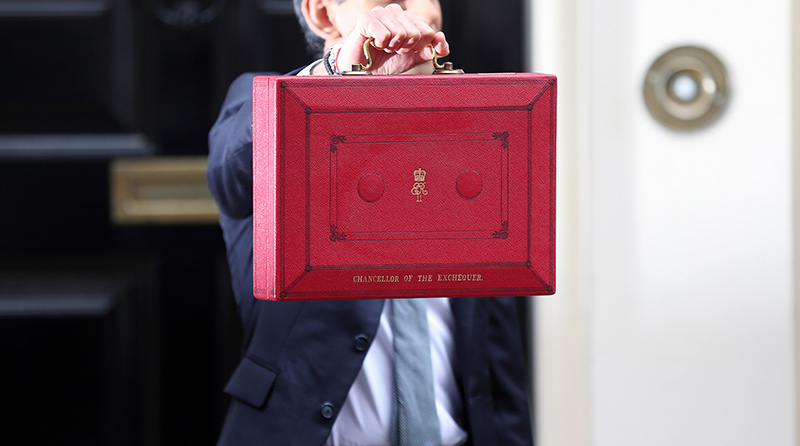
“We need increased support from government to maintain –and invest in – vital local services. But this isn’t simply a begging bowl plea. The budget is an opportunity for the Chancellor to match our ambitions with action. By investing in county services and infrastructure, we can help deliver the level of growth this country desperately needs alongside leading on reforms to public services to make them more efficient.”
In addition, the network is urging ministers to fully fund the costs of adult social care reform and Fair Pay Agreements, establish a dedicated County Infrastructure Fund, and introduce a long-term strategy for rural bus services.