Why Bereavement Support Must Be Part Of Good End Of Life Care
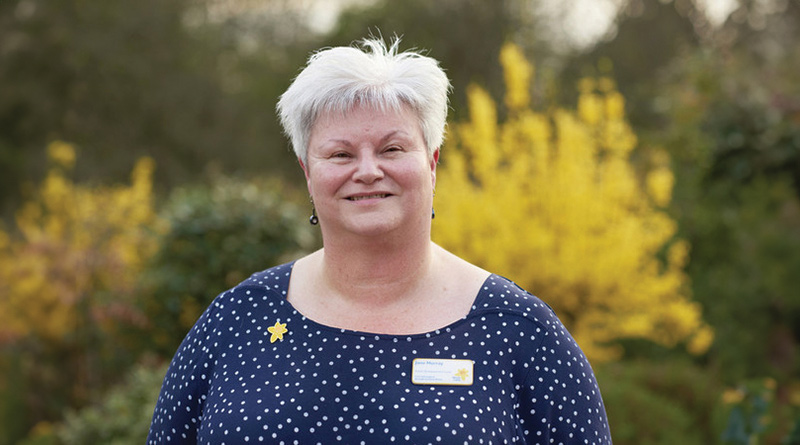
By Jane Murray, bereavement counsellor, Marie Curie Hospice, West Midlands
The loss of a relative or beloved friend can be one of the hardest moments in anyone’s life, yet every year too many people are left to navigate grief without any support. Good end of life care is not only vital for those in their final months or days – it must also include helping those left behind.
As a bereavement counsellor at end-of-life charity Marie Curie, with more than 35 years of experience, I still feel privileged that people entrust me with their grief, one of the most painful and personal experiences a person can endure. Bereavement counselling cannot simply wave away the pain of losing someone, but it can transform the lives of people who are grieving. It offers a safe place to speak openly about the person who has died and the often complicated emotions that follow.
Grief is rarely linear. It ebbs and flows, and while there may be common responses to death, no two people live through loss in quite the same way. Some people cry often, while others may feel a sense of numbness. Some want to talk, while others need silence. Some feel relief after a long illness, especially if the person they loved had been in pain. Many come to counselling unable to imagine life without the person they have lost, and over time I see them slowly reconnect with life again.
Sometimes it feels almost bearable, before returning with force at a birthday, an anniversary, or in an ordinary moment no one else would notice. I often hear how difficult it is, in a new year, to say someone died “last year” rather than “this year”. People can fear they are going backwards, when in fact this uncertainty is a very common part of grief.
For many people, grief begins before death itself. From the moment someone is told their illness is incurable, families and carers can experience anticipatory grief, looking ahead with bewilderment as the future they had imagined changes beyond their control. One thing I have learned from patients living with terminal diagnoses is that their greatest fears are often not for themselves: many are emotionally prepared for death, but deeply worried about those they will leave behind.
This is why high-quality care before and after a death is so important. Across Marie Curie’s services, including our hospices, we care for both the person who is dying and those close to them. As a trained nurse, I know that pain relief, medication and help with practical or financial worries are essential to good end of life care. But I also know that compassion and emotional support are vital for people facing bereavement. Helping a dying patient to understand that their family will not be abandoned after their death can bring real peace, easing worries as they die.
There are also simple things that can help people who are grieving. Be gentle with yourself. Accept practical help if it is offered. And if someone you know is bereaved, do not worry about finding the perfect words. A simple “I’m sorry” or “I’m thinking of you” can make a real difference. Keep checking in after the funeral, when others may have returned to their everyday lives, but grief is still very present.
At our West Midlands hospice, where I work, we offer a range of services including family groups, men-only and women-only groups, and coffee mornings. I only wish such that the UK Government could guarantee access to this kind of bereavement support for anyone who needs it, because grief support should not be a postcode lottery.
My professional experience has made it clear to me that politicians and healthcare leaders must also address the wider problems in end-of-life care. Recent research funded by Marie Curie found that nearly one in three people in the UK die without the care and support they need – around 200,000 people every year.
Behind these figures are families struggling to get help at 3am or watching someone they love experience pain that could have been avoided with timely care and consistent access to medication. That is why compassionate support, before death and afterwards, is so important. I have seen and heard how, when palliative care is not available, the effects can last long after a death. Families can be left with guilt, and with the feeling that someone’s final days should have been more peaceful and dignified. That is why I strongly support Marie Curie’s Fix End of Life Care campaign, which is calling for urgent action so everyone can get the care they need, wherever they live, backed by proper government funding.
Grief is a normal part of loving someone. But no one should have to face it unsupported. With proper bereavement support, and with compassionate, well-funded palliative care, we can make a lasting difference – both to how people die, and to how those who love them find their way back to life.
Marie Curie’s free support line (0800 090 2309) and online resources are available to anyone across the county requiring information and support relating to terminal illness, dying, death and bereavement. For more information, visit: https://www.mariecurie.org.uk/services