
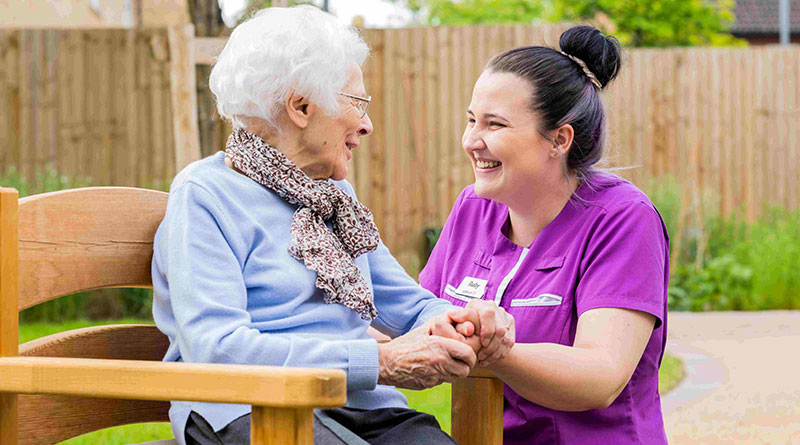
Care UK Launches Big Dementia Conversation
A new survey has revealed that nearly four in 10 people actively avoid visiting relatives living with dementia due to the difficulties involved, prompting the launch of a comprehensive communication guide for family members.
The poll of 2,000 adults with relatives living with dementia found that 37 per cent are unsure how best to communicate with the person, while a quarter (26 per cent) described seeing their relative as “too painful”.
Communication barriers emerged as a significant obstacle, with 26 per cent saying visits were made more difficult because of these challenges. A further 22 per cent felt uncertain about how to behave or what to say during interactions.
Almost six in 10 respondents (57 per cent) believed these barriers often prevent meaningful interactions with their loved ones.
The research also highlighted deep-seated anxieties among family members, with 53 per cent fearing the day their relative no longer recognises them – the number one worry among those polled. Other concerns included loved ones feeling lonely (45 per cent) or becoming non-verbal and unable to express themselves (41 per cent).
In response to these findings, Care UK has released a new guide titled “Staying Connected: A Guide to Dementia-Friendly Conversations”, which features expert advice on how to approach a relative living with the condition, especially when they become confused.
Jo Crossland, Head of Dementia and Lifestyle at the nationwide care home provider, said: “When dementia progresses and the person living with it begins to exhibit more symptoms, it can be difficult for relatives and family carers to know what to do or say.
“We know just how challenging it can be to watch a loved one change in ways you don’t fully understand, which is why we want to show people you can still have meaningful interactions with relatives living with dementia by relaunching our Big Dementia Conversation.”
She added: “The best thing you can do is be patient and remember that they are still a person you care about – they may just be seeing and understanding the world a bit differently than before.”
The survey revealed that 38 per cent of respondents lack confidence in their ability to interact with someone who has dementia. The most challenging aspects ranged from having to repeat things (43 per cent) and struggling to understand exactly what the person with dementia means (40 per cent), to being unable to reference shared memories from the past.
Moments when family members don’t recognise them proved difficult for 42 per cent of respondents, whilst 34 per cent struggled with the changes in the ways they communicate since their loved one’s diagnosis.
To overcome these barriers, respondents identified several helpful strategies. Half cited using simple, clear language and speaking slowly and calmly as effective methods, while 47 per cent found listening patiently without interrupting beneficial. A further 47 per cent said being in a calm, quiet environment and speaking face-to-face with their loved one helped.
However, the research exposed a significant gap in available support, with 67 per cent of respondents having never received any guidance or training on how to interact with someone with dementia. A further 62 per cent agreed there currently isn’t enough support available for families affected by the condition.
Despite this, three quarters (76 per cent) said they would be likely to seek out resources or advice to help improve their communication, according to the OnePoll.com figures. Key types of support being sought included guidance from dementia care professionals (52 per cent) and support groups for family members (34 per cent).
Jo Crossland commented:
“Awareness and understanding of dementia remains low, so people whose relatives have been diagnosed with the condition deserve to have access to the right resources to continue having a meaningful relationship with their loved ones.
“It is our hope that the new guide will be able to provide both information and comfort to people supporting loved ones with this condition and enable them to feel more confident during conversations.
“Our goal is to help break down the existing barriers to meaningful communication and ensure nothing stands in the way of families being together.”