Over 150,000 Hospital Bed Days Affected by Adults with Incapacity Delays in Scotland
More than 150,000 hospital bed days in Scotland were affected by delayed discharges involving Adults with Incapacity during 2025/26, according to figures obtained from Public Health Scotland. Adults with Incapacity-related delayed hospital bed days have increased by 42% in Scotland over the past four years.
While the figures do not establish a direct link with the absence of a Power of Attorney, they do bring to light the wider challenges that surround decision making and legal arrangements for adults who lack capacity.
The findings come as the Dementia Trust launches its national Planning Ahead campaign on Carers Rights Day, encouraging people to understand the importance of Power of Attorney and put appropriate arrangements in place.
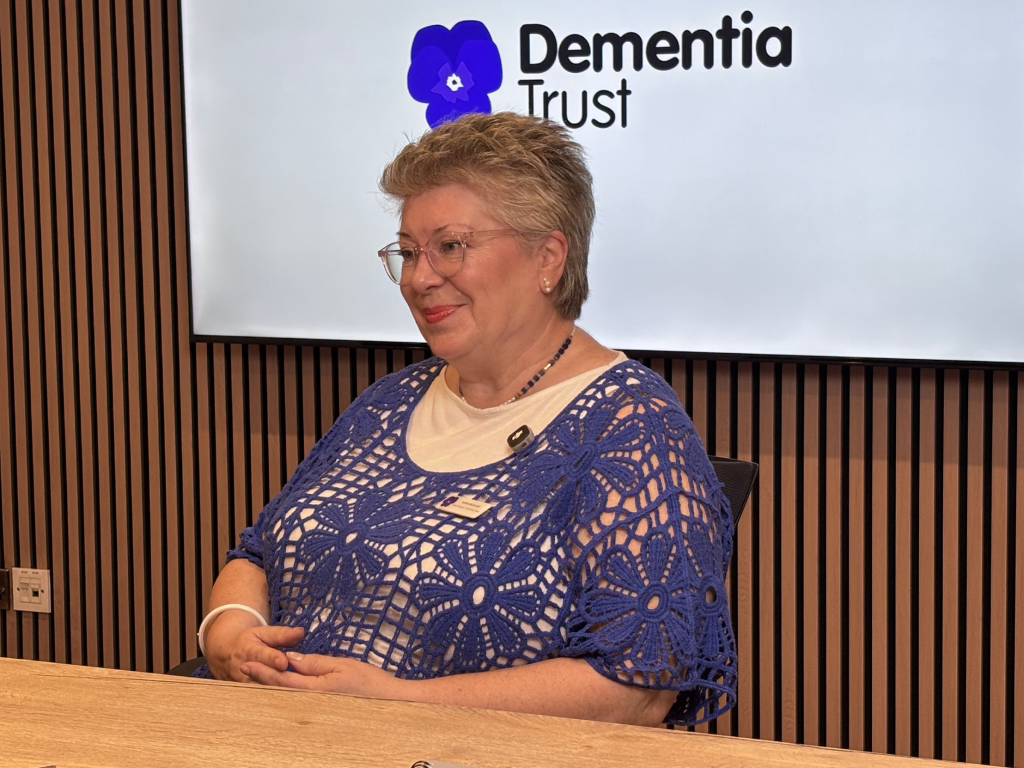
Sandra McDonald, Chair Emeritus at Dementia Trust and former Public Guardian for Scotland, said: “This February Dementia Trust is partnering with 14 legal firms from across Scotland to bring awareness to this very important issue. Being a husband, wife, son, daughter or close family member does not automatically give you the legal authority to make decisions on someone’s behalf, and far too many don’t realise this until it is too late.
“It is important for us to challenge common misconceptions surrounding Power of Attorney and encourage more people across Scotland to put arrangements in place.”
The Planning Ahead campaign challenges the assumption that Power of Attorney is something to consider only in later life or following a diagnosis. In reality, anyone aged 16 or over in Scotland should put arrangements in place.
One of the firms participating for the second year in the Planning Ahead campaign is Ralph Sayer, Kimberley Mackay TEP ,Partner, Private Client, said: “We are delighted to be taking part in the Planning Ahead campaign for a second year. I am passionate about encouraging people to have conversations about Powers of Attorney as early as possible.
“There is still a common misconception that being someone’s spouse, partner or closest family member automatically gives you the legal authority to make decisions on their behalf, but that isn’t the case.
“We need to make conversations about Powers of Attorney a normal part of planning for the future, rather than something people only consider when faced with a difficult situation. These conversations can sometimes feel daunting, but they are among the most important conversations families can have.”