
Government Listens To Farmers And Publicans – But Social Care Is Still Being Ignored Providers Say
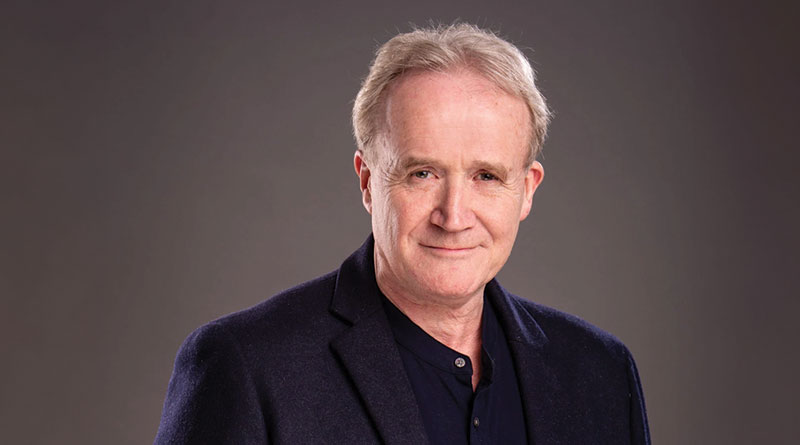
The Honorary President of the Independent Care Group has issued an urgent appeal to ministers, asking why social care continues to be overlooked whilst other sectors secure government concessions.
Mr Padgham welcomed recent government U-turns benefiting farmers and publicans, but questioned why adult social care remains without similar support despite facing what he describes as “unprecedented strain.”
Congratulating both sectors on securing policy concessions, Mr Padgham noted that agricultural policy reversals and consideration of business rates relief for pubs demonstrate that ministers can “move quickly and decisively to protect vital sectors” when prepared to listen.
“Publicans, like farmers, are at the heart of our communities,” he said. “Their success demonstrates something social care has long argued: political will makes change possible.”
However, he posed a stark question on behalf of the sector: “After years of lobbying, engagement, consultation and constructive working with government, what do we have to do to be heard?”
Mounting Pressures
Adult social care providers—both residential care homes and domiciliary care services—are being hit from multiple directions, according to Mr Padgham. Rising costs, chronic workforce shortages, reduced access to overseas recruitment, increased regulatory demands and successive budgets that fail to reflect the true cost of care have created what he describes as an unsustainable situation.
The reduction in overseas recruitment has been particularly damaging to a sector already under pressure. Combined with sharp rises in employers’ National Insurance contributions, which hit labour-intensive care services especially hard due to their reliance on part-time staff, providers are struggling to absorb costs.
Local authorities, despite best intentions, are not funded to pay the true cost of care, Mr Padgham argued, leaving providers caught between delivering high-quality regulated care and managing prices that do not cover basic operational costs.
Inevitable Consequences
The ICG Honorary President warned that closures are now unavoidable. Care homes will close and home care providers will withdraw or cease trading, with many small, family-run businesses rooted in their communities disappearing permanently.
“Once they are gone, they will not be easily replaced,” he cautioned, emphasising that social care does not need another long-term vision or distant reform programme. “We need action now. Reform must happen this year, not at some undefined point in the future.”
A Clear Invitation
Care providers are not seeking special treatment, he insisted, but rather “fairness, realism and recognition of the essential role we play alongside the NHS.”
Highlighting the interdependence of health and social care systems, Mr Padgham pointed out that delayed discharges and A&E pressures are directly linked to fragility in community care services. “A functioning NHS depends on a functioning social care system,” he said.
Despite the sector’s willingness to support the NHS, he warned that this cannot continue “if the foundations of social care are allowed to crumble.”
After trying patience, collaboration and constructive engagement, Mr Padgham issued a direct invitation to the Prime Minister, the Chancellor and the Secretary of State for Health and Social Care to visit the frontline themselves.
“Come and see for yourselves. Visit care homes. Spend time with home care workers. Talk to providers who are fighting every day to keep services open for the people who depend on them,” he urged. “Be as bold for social care as you have been for farmers and publicans.”
Mr Padgham concluded with a sobering warning: without urgent action, the cost of inaction will be felt not just by providers, but by families, communities and the NHS itself.
“The question remains: what must social care do to finally be listened to?” he asked. “Time is running out.”