
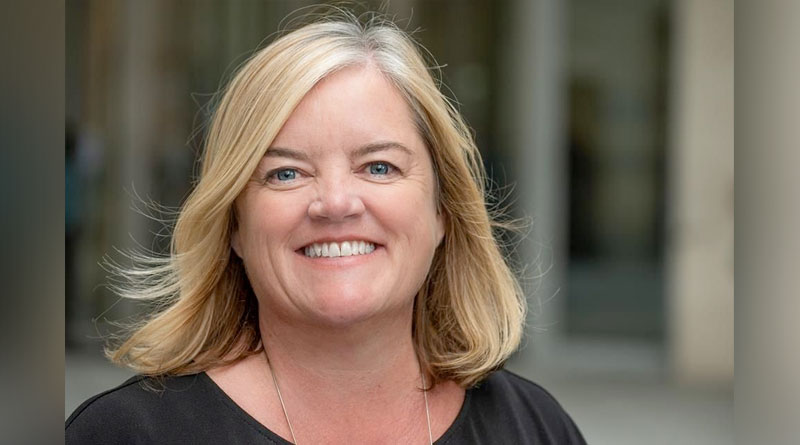
Casey Commission Sets Out Five Priority Demands as Social Care Reaches ‘Moment of Reckoning’
Baroness Louise Casey has written directly to Health and Social Care Secretary Wes Streeting with five priority demands she expects the Government to address in advance of her independent commission’s first formal report on social care.
Addressing delegates at the Nuffield Trust Summit, Baroness Casey outlined a series of targeted measures she described as straightforward and immediately achievable. Her requests include the establishment of a new national safeguarding board for social care on a statutory footing, urgent government support to accelerate the scaling up of dementia clinical trials, and the appointment of a dedicated full-time Dementia Czar.
She also called for swifter progress in developing a modern service framework covering frailty and dementia, alongside the creation of a fast-track care passport for people living with motor neurone disease.
“These are small, straightforward, simple asks,” she told delegates, “and I will look carefully to see whether they are agreed to and whether they are delivered.”
Baroness Casey described the current juncture as a pivotal moment for adult social care in England, characterising it as one of both reckoning and renewal. She was unequivocal that the Government need not wait for her commission’s final conclusions before taking action on workforce reform, pointing to what she called a systemic and endemic reliance on the underpayment of care workers as a structural feature of the sector.
Speaking candidly about the longstanding divide between health and social care, she highlighted a pronounced power imbalance between local authorities and NHS structures — one she suggested consistently disadvantages councils and the communities they serve.
She reserved particularly pointed remarks for integrated care boards, expressing concern that some were commissioning private sector organisations to identify ways to reduce continuing healthcare budgets.
Baroness Casey made clear she would be scrutinising how continuing healthcare funding is used going forward, and would speak out publicly if she believed resources were being diverted away from their intended purpose.
Rounding off her address, Baroness Casey called for a frank national conversation about the future shape of both health and care services, arguing that the public deserves a genuine role in deciding what a National Health Service and a National Care Service should look like in the decades ahead.
Sector Reaction
Responding to the speech, Gerard Crofton-Martin, Interim Chief Executive of SCIE, said: “Baroness Casey has brought welcome clarity to the scale of the challenge facing social care. Her framing of the sector’s pressures—demographic change, growing complexity of need, and a system built through ‘add-ons and workarounds’—will resonate with many across the sector. The Commission’s extensive engagement with organisations, practitioners and people with lived experience is encouraging, and we look forward to working with Baroness Casey and the Commission as this important work progresses.
“Her call for a moment of reckoning and renewal is an important one. Social care has never had the kind of design moment that shaped other parts of the welfare state. If we are serious about reform, we need to be honest about the pressures created by demographic change and rising complexity of need, and clear with the public about what a future system of care and support should provide.
“We also welcome the focus on strengthening safeguarding. The proposal to establish a new National Safeguarding Board could help ensure that learning is shared and responsibilities are clearer across the system. This is an important step to ensuring that safeguarding is everyone’s responsibility.”
Sam Monaghan, Chief Executive at MHA on behalf of MHA. “We welcome the sincere words from Baroness Casey today about what she understands about the issues facing people supported by social care and the challenges providers like MHA face. We support her immediate recommendations around safeguarding and dementia and providing a fast track for people with particular conditions.
“We look forward to the Commission’s imminent report but remain deeply concerned that the immediate financial stability of the sector is not being addressed. We continue to work with many local authorities who are still not covering the true costs of care. We are also deeply concerned that changes to settlement policies for overseas care professionals could destabilise the care workforce, impacting on the quality of care and support for those who need it..”
Charlotte Lillford-Wildman, Head of Policy and Public Affairs at Dementia UK: “Baroness Casey is right to call for urgent action and strengthened national leadership on dementia. As the leading cause of death in the UK, dementia is one of the greatest health and care challenges we face, yet too many people are left to navigate a fragmented system alone.
The call for clearer national accountability, faster progress on the Modern Service Framework for Frailty and Dementia and greater scrutiny of NHS Continuing Healthcare is welcome, and reflects the reality many families face every day.
“This must now be a turning point. The Modern Service Framework needs to be ambitious and focused on improving outcomes for people living with dementia – ensuring consistent specialist support and joined-up care across health and social care. Baroness Casey’s view of Continuing Healthcare must also not go unheard, accessing Continuing Healthcare can no longer remain an uphill struggle for people with dementia.
“We will bring our clinical expertise and the voices of people living with dementia to work alongside both government and Baroness Casey’s Commission to make that a reality.”
Nadra Ahmed CBE, Executive Co Chair of National Care Association, said: “It has been heartening to see the bare bones of Baroness Casey’s thoughts and we look forward to engaging with her and her team as we go forward.
“We hope that among the solutions we can move forward with rail investment which will ensure that reform is not only about structural changes but about real steps forward to ensure those we support can see the difference. Her work gives hope for the future and it is important that we consider the present for those who need access to care support today.”