
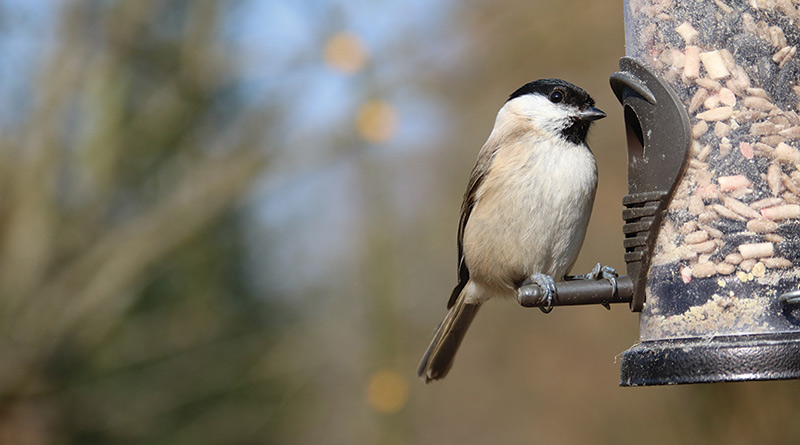
Big Garden Birdwatch 2026: Care Homes Prepare for Nation’s Favourite Wildlife Event
Care homes across the UK are gearing up for this weekend’s Big Garden Birdwatch, the world’s largest garden wildlife survey that has become a beloved annual tradition in the care sector.
Running from Friday 23rd to Sunday 25th January, the RSPB’s flagship citizen science project invites everyone to spend just one hour counting the birds that land in their garden, from their balcony, or in their local park. For care homes, it represents far more than a simple bird count – it’s an opportunity for residents to connect with nature, engage with their community, and contribute to vital conservation research.
A Beloved Care Home Tradition
The Big Garden Birdwatch has established itself as an unmissable event in the care home calendar, with providers nationwide embracing the opportunity to bring nature into residents’ lives during the heart of winter. Last year, over 590,000 people participated across the UK, collectively counting an impressive 9.1 million birds.
“This is when garden birds need us most,” explains the RSPB. The late January timing means birds are more likely to visit gardens in search of food and shelter during cold weather, making counting easier whilst providing a meaningful way for residents to support local wildlife.
More Than Just Counting
Many care homes extend the Birdwatch far beyond the core weekend event, creating week-long programmes of bird-themed activities. Popular activities include making fat balls and seed feeders with residents, setting up feeding stations near windows for easy viewing, creating bird identification displays, and hosting birdwatching sessions with binoculars and field guides.
The beauty of the Birdwatch lies in its simplicity and accessibility. Residents can participate from the comfort of indoor viewing areas, making it ideal for those with limited mobility. The activity encourages gentle physical movement, stimulates conversation and social interaction, provides cognitive engagement through bird identification, and offers a sense of purpose through contributing to conservation.
How Care Homes Can Take Part
Taking part couldn’t be easier. Care homes should choose one hour during the weekend (23-25 January) and count only the birds that land in your garden or outdoor space. Record the highest number of each species seen at any one time, not the total coming and going. This avoids counting the same bird twice. Even if no birds are spotted, that information is valuable to the RSPB.
Results can be submitted online at the RSPB website or by post to: BIG GARDEN BIRDWATCH, Freepost RSPB BIG GARDEN BIRDWATCH (no other address details needed). The deadline for submissions is 17th February 2026.
What Will Residents See?
Last year’s results revealed House Sparrows maintaining their 22-year reign as Britain’s most commonly spotted garden bird, followed by Blue Tits in second place. Woodpigeons claimed third position, reflecting their long-term population increase, whilst Starlings dropped to fourth place, recording their lowest average garden counts since the survey began, highlighting ongoing conservation concerns.
The RSPB provides free identification guides featuring the most common garden birds, which can be downloaded from their website or ordered by post. These visual aids help residents and staff distinguish between similar species and add an educational element to the activity.
Why It Matters
The Big Garden Birdwatch provides conservationists with a vital snapshot of bird populations across the UK. In the past 50 years, Britain has lost more than 38 million birds, with one in four species now under serious threat. The data gathered helps the RSPB track which species are thriving, which are struggling, and how best to protect them.
For care home residents, participation offers something equally valuable: connection to the natural world, engagement with a nationwide community project, and the knowledge that their observations contribute to important conservation work.
Share Your Photos
Here at THE CARER, we hope care homes across the country are all signed up and ready for a wonderful weekend of birdwatching. We’d love to see how your residents get involved – whether it’s a resident with binoculars, homemade bird feeders, or that perfect snapshot of a robin at your feeding station.
Share your photos and stories with us to inspire other care providers and celebrate the important role care homes play in this national tradition. Let’s make this year’s Big Garden Birdwatch the biggest and best yet for the care sector.
To sign up or find out more, visit www.rspb.org.uk/birdwatch
Happy birdwatching!